
GLP-1 Friendly Protein Nutrition Is Now the Fastest-Growing Diet Category of 2026 — Here’s What the New Research Says
A breaking study tracking 5,741 days of real-world dietary data found that GLP-1 users consume only 54 grams of protein per day on average — less than half of what experts now recommend. People who use GLP-1 weight-loss drugs tend to eat a “critically low” amount of protein and skip meals, and the findings highlight an “urgent need for proactive nutritional monitoring” of patients on medications like Wegovy and Zepbound.
Why This Matters in 2026
US nutrition and health experts predicted that the expansion of GLP-1 medications will have the greatest impact in 2026, and growing momentum for protein and fiber as key nutrients is driving product innovation to meet the needs of GLP-1 users.
Restaurants, grocers, and foodservice outlets are launching GLP-1-friendly products and menu modifications to align with the specific dietary needs of GLP-1 users. The food industry has responded at scale — but the science of what your body actually needs runs far deeper than a label.
Key takeaway: In 2026, getting protein right on a GLP-1 isn’t optional — it’s the single biggest lever you can pull to protect your long-term results.
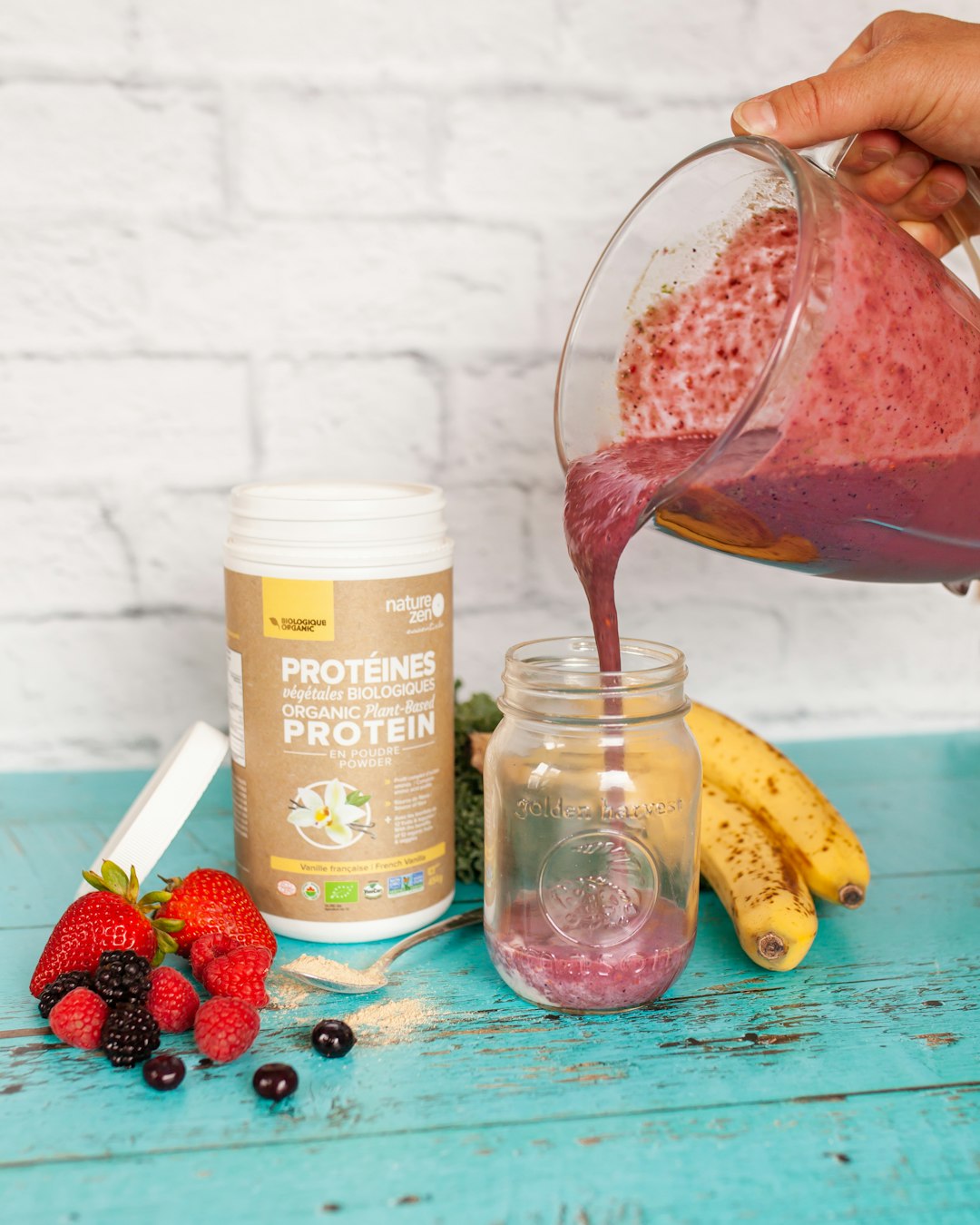
Photo by Nature Zen on Unsplash
What GLP-1 Friendly Protein Nutrition Actually Means
The term gets thrown around on packaging and menus, but registered dietitians and researchers define it by three non-negotiable principles:
- Nutrient density over volume: GLP-1 users seek out smaller portions packed with as many nutrients as possible, with meals that are protein- and fiber-heavy and contain fewer carbohydrates.
- Hitting the right per-kilogram target: Protein intake in GLP-1 patients averages a “critically low” 0.6 g/kg/day — less than half of the 1.2–1.6 g/kg/day now recommended by the 2025–2030 Dietary Guidelines for Americans.
- More than just protein: A truly GLP-1 friendly approach emphasizes balance — protein to combat muscle loss as weight falls off quickly, plus fiber from fruits and vegetables, because the medicines slow digestion.
Key takeaway: GLP-1 friendly protein nutrition means maximizing protein quality and quantity within a smaller calorie window, every single meal.
The Data: What Happens to Your Muscle Without Enough Protein
Research reveals that up to 60% of weight lost on GLP-1s can come from lean mass, not fat — meaning muscle loss, a slower metabolism, and increased risk of weight regain.
GLP-1 receptor agonists reduce appetite and gastric emptying — mechanisms that, while beneficial for weight loss, may also limit protein intake and nutrient absorption necessary for muscle preservation. The downstream effects go beyond aesthetics.
More than 60% of GLP-1 users consume below estimated requirements for calcium and iron, and vitamin D intake averages just 20% of recommendations. Protein and calcium insufficiency contribute directly to lean mass loss.
The good news: intervention works. A study in the *Journal of Clinical Endocrinology & Metabolism* demonstrated that participants on GLP-1 medications who consumed higher-protein diets retained significantly more lean mass over 68 weeks compared to those on standard protein intake.
Combining GLP-1 receptor agonists with structured lifestyle changes — especially increased protein intake and strength training — can mitigate muscle loss and enhance overall outcomes.
Key takeaway: The clinical evidence is unambiguous: high-protein intake on a GLP-1 is the most effective dietary tool for preserving the muscle that drives your metabolism.

Photo by This Supplement Sucks on Unsplash
How to Build a GLP-1 Friendly Protein Nutrition Plan Step by Step
- Step 1: Calculate your personal protein floor. Aim for at least 1.2 grams of protein per kilogram of body weight per day — for a 150-pound person, that works out to approximately 82 grams daily.
- Step 2: Distribute protein across small, frequent meals. Your stomach empties more slowly on a GLP-1, and large meals can lead to discomfort and nausea. Rather than two or three big meals, prioritize three smaller meals supplemented with healthy snacks. Aim for 20–30 grams of protein per meal, as advised by NBC News medical contributor Dr. Natalie Azar.
- Step 3: Lead every meal with your protein source. Eat the protein portion of your meal first to boost the chances of getting enough before reduced appetite cuts the meal short.
- Step 4: Choose easy-to-digest protein formats when appetite is low. If nausea or low appetite make it difficult to meet protein goals, protein shakes and bars can help. Bone broth is another stomach-friendly option, providing about 10 grams of protein per one-cup serving.
- Step 5: Pair protein with resistance training. To make your GLP-1 journey a lasting success, you must protect lean mass by prioritizing protein and pairing it with resistance training.
Key takeaway: Spreading 20–30 g of high-quality protein across 4–5 small meals daily is the most practical framework for GLP-1 friendly protein nutrition.
Mistakes to Avoid on a GLP-1 Protein Plan
- Mistake 1: Trusting “GLP-1 Friendly” labels at face value. If a frozen meal cannot deliver at least 25 grams of protein at under 400 calories, it is not truly GLP-1 friendly regardless of what the packaging claims. Always flip the box and read the macros.
- Mistake 2: Skipping meals because you’re not hungry. GLP-1 users need 100–120+ grams of protein daily to preserve muscle, but main meals might only provide 60–80 grams total. That 20–40 gram gap is exactly where strategic, protein-rich snacks become critical.
- Mistake 3: Ignoring micronutrient deficiencies alongside protein shortfalls. Eating less while taking GLP-1 medications may increase your risk of nutrient deficiencies such as calcium, vitamin D, and vitamin B12. A multivitamin or targeted supplement can help, but always consult your provider first.
Frequently Asked Questions
Q: How much protein should I eat per day on a GLP-1 medication?
Current data shows GLP-1 users average only 0.6 g/kg of protein per day — critically below the 1.2–1.6 g/kg recommended by the 2025–2030 Dietary Guidelines for Americans. For most adults, that translates to a minimum of 80–120 grams daily depending on body weight.
Q: What are the best protein sources for GLP-1 users with a reduced appetite?
Good options include eggs, fish, chicken, Greek yogurt, cottage cheese, tofu, beans, and protein shakes — all of which offer high protein density in small volumes. Because GLP-1s slow gastric emptying, high-volume options can sit in your stomach for hours; choose dense, compact, protein-rich foods instead.