
How to Sleep Better — Complete Optimization Guide
Fall Asleep Faster, Sleep Deeper, Wake Up Energized
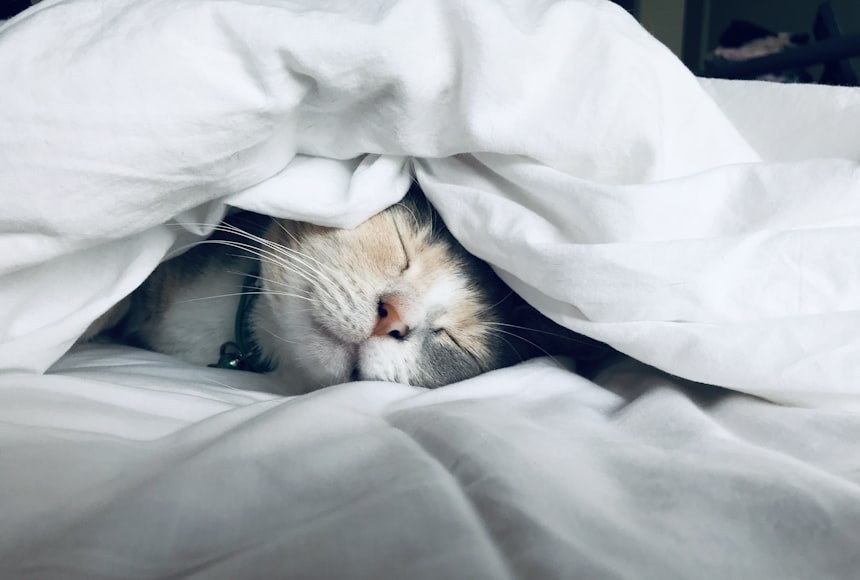
1 in 3 adults don’t get enough sleep. The consequences go far beyond feeling tired — poor sleep affects your weight, mood, immune system, and even your lifespan. The good news: most sleep problems are fixable.
Mark had been waking up exhausted for years. He’d tried melatonin, white noise apps, even a $400 weighted blanket. Nothing worked consistently. Then a sleep specialist asked him one question: “What time do you look at your phone before bed?” Mark checked — it was usually 11:58pm, right before he tried to sleep. Two weeks after moving his phone charger out of his bedroom, he was falling asleep within 10 minutes and waking up without an alarm. The fix cost nothing.
sleep-deprived globally
after one bad night
after poor sleep
sleeping under 6 hours
Most people think sleep is just “unconscious rest.” It’s actually a complex cycle of four distinct stages — each doing something irreplaceable for your body and brain.
- Body temperature begins to drop
- Brain waves slow from alpha to theta
- Disrupted most easily by noise or light
- Memory consolidation happens here
- Motor skill learning is reinforced
- Most disrupted by alcohol and caffeine
- Growth hormone released for muscle repair
- Immune system strengthened significantly
- Decreases with age — exercise increases it
- Emotional regulation and processing
- Creative problem-solving enhanced
- Longest REM periods are in the final hours of sleep
Your sleep is controlled by two biological systems working simultaneously. The first is your circadian rhythm — a 24-hour internal clock driven by light exposure that tells your body when to be alert and when to wind down. The second is sleep pressure (adenosine buildup) — a chemical that accumulates in your brain throughout the day, making you progressively sleepier until you sleep it off.
Caffeine works by blocking adenosine receptors — it doesn’t eliminate sleep pressure, it just hides it temporarily. When caffeine wears off, all that accumulated adenosine hits at once, causing the familiar afternoon crash. Consuming caffeine after 2pm can reduce deep sleep by up to 20% even if you don’t feel it affecting your ability to fall asleep.
Light is the most powerful regulator of your circadian rhythm. Blue light from screens tells your brain it’s still daytime, suppressing melatonin production for up to 2 hours. Morning sunlight within 30 minutes of waking is one of the most powerful anchors for a healthy sleep-wake cycle — completely free and takes 5 minutes.
| Bad Habit | Why It Hurts Sleep | Impact | Easy Fix |
|---|---|---|---|
| Phone in bed | Blue light suppresses melatonin for 2+ hours | High | Charge phone outside bedroom |
| Inconsistent bedtime | Disrupts circadian rhythm daily | High | Same bedtime ±30 min every day |
| Caffeine after 2pm | Reduces deep sleep by up to 20% | High | Cut off at 1–2pm latest |
| Alcohol before bed | Fragments sleep, kills REM | High | Stop drinking 3hrs before sleep |
| Warm bedroom | Body needs to cool to initiate sleep | Medium | Set room to 65–68°F (18–20°C) |
| Napping after 3pm | Reduces sleep pressure at bedtime | Medium | Nap before 2pm, max 20 min |
| Lying awake in bed | Brain learns bed = wakefulness | Medium | Get up after 20 min, return when sleepy |
| No morning light | Delays circadian clock daily | Low-Med | Get outside within 30 min of waking |
You don’t need to implement all of these overnight. Pick the two or three that match your biggest current problems and start there. Small consistent changes beat perfect sleep routines you can’t maintain.
Related Sites
🤖 Tech Daily Care AI / Tech →