Best Cardio Workouts for Women Over 40

Best Cardio Workouts for Women Over 40
🏃 Weight Loss · Updated April 2026

Best Cardio Workouts for
Women Over 40

Low-Impact Options That Burn Fat, Protect Joints & Actually Stick
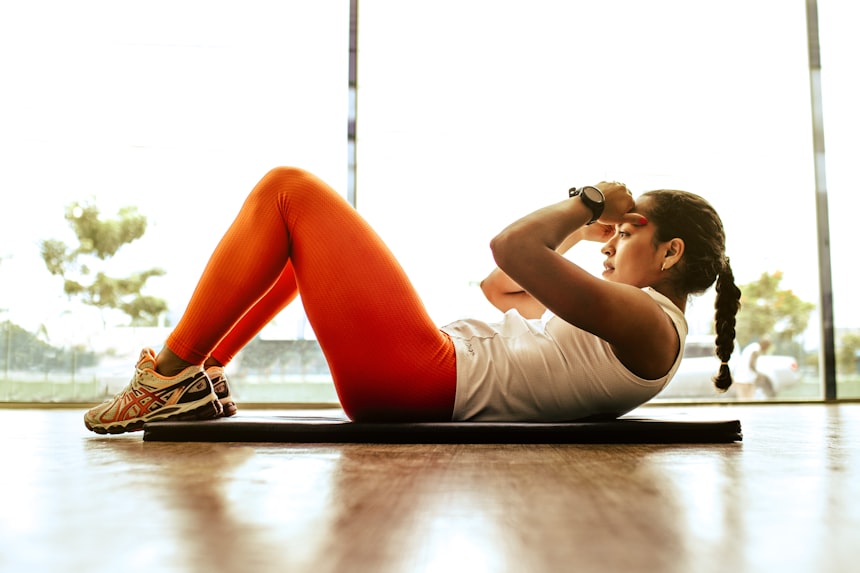
Best cardio workouts for women over 40 low impact

After 40, your body responds differently to exercise. Here’s what actually works — six low-impact cardio options that support fat loss, protect your joints, and fit around a real life.

📅 Updated April 2026 🏃 6 Cardio Options 📖 8 min read

Have you ever committed to running, only to quit two weeks later with aching knees or complete exhaustion? You’re not failing — the exercise was wrong for your body at this stage of life. After 40, the rules genuinely change. Hormonal shifts, declining estrogen, reduced recovery speed, and joint sensitivity all mean that the cardio strategies that worked in your 20s often backfire now. The good news: the cardio methods that work best for women over 40 are also the most sustainable and the least likely to leave you injured or burned out.

How Exercise Changes After 40
📉
3–8%
Muscle mass lost per decade
after age 30 without training
💪
2–3x
Longer recovery time
compared to your 20s
🦴
150 min
Weekly moderate cardio
recommended by WHO
❤️
46%
Of adults say exercise
significantly improves sleep
Why Cardio Hits Differently After 40
Midlife Fitness Science · April 2026

The hormonal landscape after 40 — particularly the decline of estrogen during perimenopause — directly affects how the body stores fat, responds to stress, and recovers from exercise. High-intensity, high-volume cardio elevates cortisol, which in turn promotes abdominal fat storage in estrogen-deficient states. This is why women in their 40s who ramp up intense cardio to lose weight often find the opposite result.

The most effective cardio for this life stage combines low-to-moderate intensity steady-state work (walking, cycling, swimming) with brief higher-intensity intervals. This combination supports cardiovascular health, preserves muscle mass, manages cortisol levels, and delivers fat-burning results without taxing recovery systems that are naturally slower at this age. Consistency over intensity is the governing principle — and any cardio that keeps you consistently moving is better than a “perfect” program that leads to burnout or injury.

🏃 6 Best Cardio Workouts for Women Over 40

These six options are ranked by joint friendliness and sustainability, not calorie burn. The best cardio is the kind you’ll actually do consistently for months and years.

Brisk Walking
Low Impact · Sustainable · Free
Low Impact
Walking is frequently dismissed as “too easy” — but research consistently shows it’s among the most effective, sustainable, and joint-friendly cardio options available. Brisk walking (3.5–4 mph) burns comparable calories to jogging over the same distance while placing a fraction of the stress on knees and hips.
  • Zero equipment, zero cost, zero joint impact
  • Aim for 30–45 minutes at a pace that makes conversation slightly challenging.
  • Add incline (hills or treadmill grade) to dramatically increase intensity without adding impact.
Cycling (Indoor or Outdoor)
Low Impact · Adjustable Intensity
Low Impact
Cycling is one of the best cardiovascular exercises for women navigating joint sensitivity because it’s entirely non-weight-bearing. A stationary bike lets you control intensity precisely and exercise regardless of weather — making it one of the most consistent-friendly options available.
  • Builds leg strength simultaneously with cardio — two benefits in one session
  • Start with 20–30 min sessions at moderate resistance. Progress to longer rides or interval work.
  • Seat height matters enormously — knee pain from cycling is almost always a setup issue.
Swimming
Zero Impact · Full Body
Zero Impact
Swimming is the gold standard for low-impact cardio — water supports up to 90% of your body weight, essentially eliminating joint stress while providing significant resistance training. It’s particularly valuable for women with existing knee, hip, or back issues that make land-based exercise painful.
  • Works the entire body with zero joint loading — unmatched for joint health
  • Three 30-minute sessions per week deliver measurable cardiovascular and body composition benefits.
  • If laps feel repetitive, water aerobics classes provide the same joint benefits with more variety.
Low-Impact HIIT
Moderate Impact · High Calorie Burn
Moderate
Traditional HIIT with jumping and high-impact moves can be too taxing on joints and cortisol levels for women over 40. Low-impact HIIT replaces jumps with step-based, controlled movements that keep intensity high while protecting the body. It’s the most efficient option for time-limited schedules.
  • Preserves muscle mass better than steady-state cardio alone — critical after 40
  • Alternate 30 seconds of effort (step-outs, mountain climbers, lateral shuffles) with 30 seconds rest.
  • Limit to 2–3 sessions per week maximum — recovery is slower after 40 and more sessions often backfire.
Dance Cardio
Low Impact · Mood-Boosting
Low Impact
Dance-based cardio (Zumba, dance fitness classes, online dance workouts) consistently shows the highest long-term adherence rates of any cardio modality because it doesn’t feel like exercise. For women who’ve struggled to maintain a cardio habit, enjoyment is the most underrated factor in results.
  • Highest enjoyment and long-term adherence of any cardio option studied
  • Any dance fitness class or YouTube dance workout for 30–45 min, 3–4x per week.
  • The best workout is the one you’ll keep doing. Don’t underestimate the power of actually enjoying it.
Rowing Machine
Low Impact · Full Body
Low Impact
Rowing is a uniquely powerful option because it engages 86% of muscle groups in a single movement while remaining entirely low-impact. The upper body and core involvement makes it one of the few cardio modalities that also builds functional strength, particularly in the often-neglected back and arm muscles.
  • 86% of muscles engaged — best full-body cardio per minute available
  • Start with 15–20 min focusing on technique. Build to 30 min sessions.
  • Form is everything in rowing — 60% legs, 20% lean, 20% arms. Learn it correctly first.
📊 Cardio Comparison for Women Over 40
WorkoutImpact LevelCal/30 min*Best For
Brisk Walking Low 120–180 Daily habit, beginners
Cycling (moderate) Low 200–300 Joint issues, leg strength
Swimming Zero 180–250 Chronic joint pain
Low-Impact HIIT Moderate 240–360 Muscle preservation, time-limited
Dance Cardio Low 150–220 Long-term adherence
Rowing Low 210–300 Full body, back strength

*Estimates for a 150 lb woman. Actual calorie burn varies significantly by individual.

Building a Cardio Routine That Lasts
Consistency Strategy · April 2026

The biggest mistake women over 40 make when starting cardio is doing too much too soon. Starting with five days a week of intense exercise when you’ve been sedentary leads to elevated cortisol, increased fat storage, joint soreness, and rapid burnout — typically within three to four weeks. The physiology is working against you, not your willpower.

A more effective approach: start with three sessions per week of 20–30 minutes at a comfortable intensity, build the habit for four to six weeks before increasing duration or frequency, and prioritize recovery days as actively as training days. Combining your cardio work with strength training (even basic bodyweight exercises) gives dramatically better results than cardio alone for women in this age group — and supports the muscle preservation that becomes increasingly important after 40. Pair this with a solid sleep and nutrition foundation for the best overall outcomes.

Frequently Asked Questions
How many days per week should women over 40 do cardio?
Three to four days per week is the sweet spot for most women over 40. The WHO recommends 150 minutes of moderate-intensity cardio weekly — which works out to five 30-minute sessions or three 50-minute sessions. What matters more than the exact number is consistency over weeks and months. If four days leads to burnout or injury, three quality sessions are far better than four exhausted ones. Always include at least two recovery days per week, and consider adding light walking on those days rather than complete rest.
Is running bad for women over 40?
Running isn’t inherently bad, but it’s not the right choice for everyone over 40 — particularly those with knee, hip, or ankle issues, or those who haven’t been regularly active. The impact forces in running are three to four times bodyweight with each stride, which is simply too much stress for many joints that have accumulated wear over decades. If you enjoy running and have no joint issues, continue with appropriate warm-up and recovery. If it hurts or you’ve struggled to stay consistent with it, the low-impact alternatives in this guide deliver comparable cardiovascular benefits without the injury risk.
Can cardio alone help with weight loss after 40?
Cardio alone is significantly less effective for weight loss after 40 than the combination of cardio plus strength training. As estrogen declines, the body becomes more prone to muscle loss and fat gain — and only strength training directly addresses the muscle preservation side of that equation. Cardio burns calories during the session; strength training increases your resting metabolic rate continuously. The ideal approach combines two strength training sessions with three cardio sessions per week, supported by adequate protein intake.
What time of day is best for cardio workouts after 40?
The best time is whenever you’ll actually do it consistently. That said, morning cardio has some advantages for this age group: it’s done before the day’s demands can displace it, morning light helps regulate circadian rhythm, and it avoids the cortisol spike that intense evening exercise can cause. If evening is the only realistic time for you, moderate-intensity cardio finishing at least 90 minutes before bed is generally fine and won’t significantly disrupt sleep quality for most people.

🏃 Cardio for Women Over 40 — Key Takeaways

1
Low impact beats high impact — joint protection matters more after 40, and results are comparable
2
Start with 3 sessions per week — building a sustainable habit is more important than training volume at the start
3
Add strength training — cardio alone doesn’t address muscle loss, which is the key metabolic challenge after 40
4
Dancing has the best adherence — if you hate your workout, you won’t stick with it long enough to see results
5
Avoid high cortisol cardio — excessive intense cardio increases abdominal fat storage in estrogen-deficient states
6
Recovery is training — sleep, nutrition, and rest days are where the body actually changes

Leave a Comment

Your email address will not be published. Required fields are marked *

Scroll to Top