High Protein Meals for Muscle Gain on a Budget

High Protein Meals for Muscle Gain on a Budget
🥗 Nutrition · Updated April 2026

High Protein Meals for
Muscle Gain on a Budget

8 Affordable Foods + 5 Easy Meals to Hit Your Protein Goals
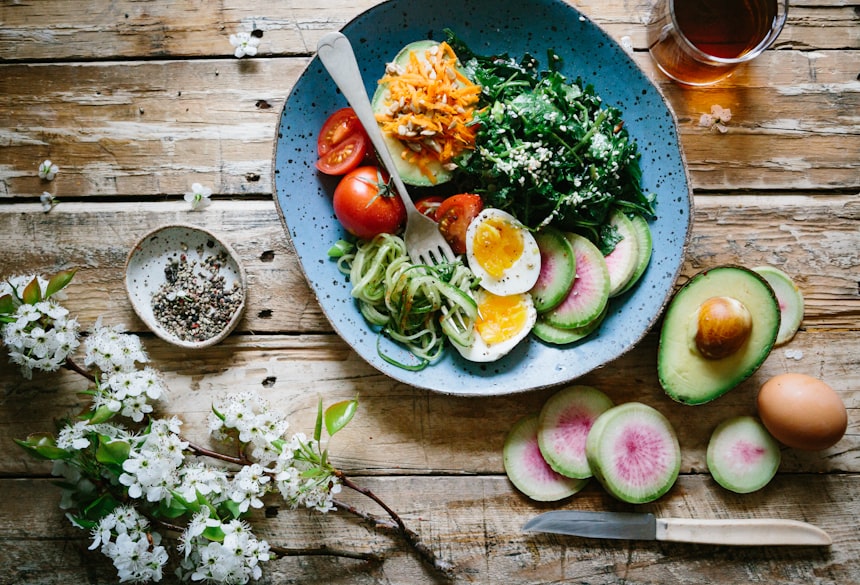
High protein budget meals for muscle building

You don’t need expensive protein shakes or fancy cuts of meat to build muscle. Here are the budget-friendly foods that registered dietitians actually recommend — and exactly how to use them.

📅 Updated April 2026 🥦 8 Budget Foods 📖 7 min read

Have you ever stood in the grocery store staring at a $12 pack of chicken breast, wondering if building muscle has to cost this much? It doesn’t. The most effective muscle-building foods are almost always the cheapest ones — eggs, canned tuna, lentils, cottage cheese. The gap between an expensive “fitness diet” and a genuinely optimized muscle-building diet comes down to knowledge, not budget. This guide gives you the eight best protein sources under $3 per serving, plus five complete meals you can make in under 20 minutes.

Protein, Muscle, and the Budget Reality
💪
0.7–1g
Protein per lb bodyweight
needed for muscle gain
🥚
$0.25
Cost per egg — one of
the best protein sources
🐟
25g
Protein per can of
tuna (~$1.50)
🫘
15g
Protein per cup of
lentils (~$0.40)
How Much Protein Do You Actually Need?
Protein Science · April 2026

The most current research supports a daily protein intake of 0.7–1 gram per pound of bodyweight for muscle gain — putting a 160 lb person at 110–160 grams per day. This is well within reach on a budget diet. The myth that you need premium protein sources (expensive steak, specialty powders) to build muscle persists largely because of supplement industry marketing, not science.

What matters far more than the source of protein is total daily intake and distribution across meals. Spreading protein across 3–4 meals of 30–40 grams each maximizes muscle protein synthesis better than eating the same total amount in one or two sittings. Budget staples like eggs, cottage cheese, canned fish, and legumes are perfectly capable of meeting these targets at a fraction of the cost of premium options.

🥦 8 Best Budget Protein Foods

Each of these foods delivers 15–30g of protein per serving for under $2–3. Build your weekly meals around these staples and hitting your protein targets becomes straightforward.

Eggs
~6g protein each · ~$0.25/egg
Best Value
The most complete, versatile, and affordable protein source available. Eggs contain all nine essential amino acids and are one of the few foods with a protein digestibility score near 100%, meaning your muscles use almost every gram.
  • Complete amino acid profile — comparable to expensive whey protein
  • Scrambled, boiled, poached, or used in baking and meal prep
  • A dozen eggs provides 72g of protein for around $3
Canned Tuna
~25g protein per can · ~$1.50/can
High Protein
Canned tuna is one of the most protein-dense foods per dollar available. A single can provides more usable protein than most protein bars at a third of the price, with the added bonus of omega-3 fatty acids for joint and heart health.
  • 25g protein per can — one of the highest protein densities per dollar
  • Tuna salad, pasta, rice bowls, wraps, or straight from the can
  • Buy in bulk packs — price drops to ~$1 per can
Cottage Cheese
~25g protein per cup · ~$0.75/cup
Casein Rich
Cottage cheese is loaded with casein, the slow-digesting protein that feeds muscles throughout the night. It’s one of the most underrated foods in muscle nutrition — and at under $4 for a full container, one of the cheapest.
  • Casein protein ideal for pre-sleep muscle recovery
  • With fruit, in smoothies, savory bowls, or as a dip
  • ~$3.50 for a full container with 4 servings
Canned Chickpeas
~15g protein per cup · ~$0.50/cup
Plant-Based
Chickpeas combine solid protein with slow-digesting carbohydrates and fiber, making them excellent for sustained energy and muscle recovery. Pair with a complete protein source to cover the missing amino acids, or mix with eggs or dairy.
  • High fiber keeps you full and supports gut health alongside muscle goals
  • Roasted snack, hummus, curries, soups, salads
  • One can (~$0.90) provides two full servings
Chicken Thighs
~26g protein per 100g · ~$1.50/serving
Budget Cut
Chicken thighs are significantly cheaper than breast, more forgiving to cook, and only slightly higher in fat. For muscle building, the extra fat is irrelevant — the protein content and cost savings make thighs a superior choice for budget meal prep.
  • More flavorful than breast and harder to overcook during meal prep
  • Baked, grilled, slow-cooked, or shredded into multiple dishes
  • Often 40–50% cheaper per pound than chicken breast
Greek Yogurt
~17g protein per cup · ~$0.80/cup
Versatile
Plain Greek yogurt offers an excellent protein-to-calorie ratio, probiotics for gut health, and calcium for bone density — all particularly important for active individuals. Buy plain and add your own toppings to avoid paying the premium for pre-flavored versions.
  • Probiotics support gut health and nutrient absorption
  • With fruit and honey, in smoothies, as a sauce or marinade base
  • Large plain tubs (32oz) offer much better value than individual cups
Lentils
~18g protein per cup cooked · ~$0.40/cup
Cheapest/Cup
Lentils offer the best protein-per-dollar ratio of any food on this list. While they’re an incomplete protein, pairing them with rice or any grain creates a complete amino acid profile. They’re also one of the fastest legumes to cook — no soaking required.
  • High iron content supports oxygen delivery during training
  • Soups, stews, rice dishes, patties, salads
  • A $2 bag provides 10+ servings — unbeatable value
Canned Sardines
~23g protein per can · ~$2/can
Omega-3 Rich
Sardines are the most nutrient-dense canned fish available — high in protein, omega-3s, calcium (from the bones), and vitamin D. They’re consistently underused in fitness nutrition despite offering exceptional recovery support at a low price point.
  • Highest omega-3 content of any affordable protein source
  • On toast, in pasta, with crackers, or in grain bowls
  • One can provides a full high-protein meal for ~$2
📊 Budget Protein Foods — Quick Comparison
FoodProtein / ServingCost / ServingBest Use
Eggs (2 large) 12g ~$0.50 Breakfast, meal prep
Canned Tuna 25g ~$1.50 Lunch, quick meals
Cottage Cheese (1 cup) 25g ~$0.75 Pre-sleep snack
Chickpeas (1 cup) 15g ~$0.50 Salads, curries
Chicken Thighs (100g) 26g ~$1.50 Meal prep, dinner
Greek Yogurt (1 cup) 17g ~$0.80 Snack, smoothies
Lentils (1 cup cooked) 18g ~$0.40 Soups, rice dishes
Sardines (1 can) 23g ~$2.00 Toast, grain bowls
Smart Strategies for Budget Muscle Nutrition
Budget Strategy · April 2026

The most effective budget protein strategy is meal prepping in bulk on one or two days per week. Cook a large batch of rice or lentils, prepare multiple chicken thighs or hard-boiled eggs, and portion them into containers. This approach dramatically reduces per-meal cost compared to cooking individual meals daily, and removes the daily decision fatigue that leads to expensive convenience food choices.

Buy in bulk wherever possible — dry lentils, dried beans, canned fish in multi-packs, and large tubs of Greek yogurt all offer significantly better value than their single-serving equivalents. A well-stocked pantry with these staples means you can hit your protein targets for under $5–6 per day even at relatively high intakes. That’s often cheaper than most people spend on a single “health” snack.

Frequently Asked Questions
Can I build muscle without eating meat on a budget?
Yes, though it requires more planning. The key is combining complementary plant proteins to ensure complete amino acid coverage. Lentils or beans paired with rice or oats creates a complete protein profile. Add eggs and dairy if you’re vegetarian rather than vegan, and you can hit full protein targets easily. For vegans, tofu, tempeh, and edamame are the strongest budget protein options alongside legumes and whole grains.
Do I need protein supplements to build muscle on a budget?
No. Protein supplements are convenient but unnecessary if you’re eating adequate whole food sources. Whole foods also come with additional nutrients — vitamins, minerals, fiber, and healthy fats — that supplements don’t provide. If you find it genuinely difficult to hit your protein targets through food alone, a basic whey concentrate is the most cost-effective supplement option. But most people who prioritize eggs, cottage cheese, tuna, and legumes find whole foods are sufficient.
How should I distribute protein across my meals for maximum muscle growth?
Current research recommends spreading protein intake across 3–4 meals of roughly 30–40 grams each, rather than eating most of your protein in one meal. Each protein-containing meal triggers a muscle protein synthesis response that lasts approximately 3–5 hours, so spacing meals appropriately keeps this process active throughout the day. Starting the day with a high-protein breakfast (2–3 eggs plus Greek yogurt, for example) is particularly effective for muscle maintenance and growth.
What’s the single easiest high-protein, low-cost meal I can make right now?
Tuna rice bowl: cook one cup of rice, open one can of tuna, add a tablespoon of olive oil, salt, lemon juice, and whatever vegetables you have available. Total cost is around $2.50–$3.00, total protein is approximately 35–40 grams, and prep time is under 15 minutes. It’s not glamorous, but it’s one of the most protein-efficient, budget-friendly, quick-prep meals you can make consistently throughout the week.

🥦 Budget Muscle Nutrition — Key Takeaways

1
Eggs are unbeatable value — complete amino acid profile, highest protein digestibility, cheapest per gram
2
Choose chicken thighs over breast — 40–50% cheaper, just as effective for muscle building
3
Cottage cheese before bed — casein protein feeds overnight muscle repair when growth hormone is highest
4
Spread protein across 3–4 meals — this matters more than the specific food sources you choose
5
Meal prep in bulk — the single most effective strategy for cutting food costs without cutting protein intake
6
Skip expensive supplements — whole food staples deliver the same results with better overall nutrition

Leave a Comment

Your email address will not be published. Required fields are marked *

Scroll to Top