What to Eat to Lose Weight Without Feeling Hungry

What to Eat to Lose Weight Without Feeling Hungry
🥗 Nutrition · Updated April 2026

What to Eat to Lose Weight Without Feeling Hungry

The Science-Backed Food Guide That Keeps You Full & Burning Fat
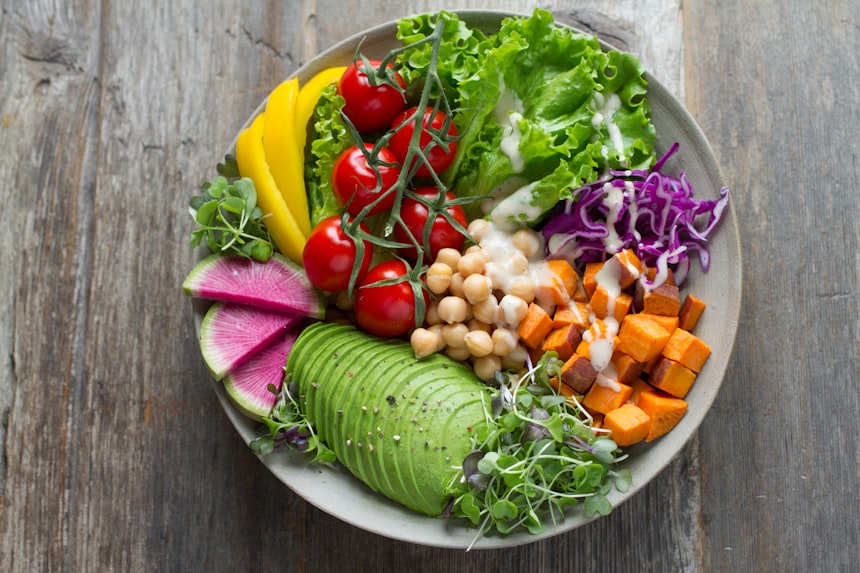
Healthy foods for weight loss without hunger

Dieting doesn’t have to mean starving. The right foods let you eat more, feel satisfied, and still lose weight — here’s exactly what to put on your plate.

📅 Updated April 2026 🔬 Science-Backed ⏱ 8 min read

Emma had tried every diet in the book. Low-carb, calorie counting, meal skipping — she lost a few pounds each time, but the hunger always won. By week three, she’d be raiding the fridge at midnight, feeling like a failure. The problem wasn’t her willpower. It was what she was eating. Once she switched to foods that naturally keep you full — high protein, high fiber, high volume — the hunger disappeared. She lost 18 pounds in four months without ever feeling deprived. This guide is exactly what she wished she’d found on day one.

Why Most Diets Fail — The Numbers
😤
95%
Of diets fail within
1–5 years due to hunger
🍗
440 kcal
Fewer calories eaten daily
on a high-protein diet
🥦
400 kcal
Less consumed daily
with high-volume eating
🔥
30%
Of protein calories burned
just during digestion
🥗 The 6 Best Food Groups to Eat for Weight Loss

These aren’t diet foods — they’re real, delicious foods that happen to be scientifically proven to reduce hunger, boost metabolism, and support fat loss. Build your meals around these and weight loss becomes almost effortless.

Lean Protein
Chicken · Fish · Eggs · Legumes
High Protein
Protein is the single most powerful macronutrient for weight loss. It reduces the hunger hormone ghrelin while boosting satiety hormones GLP-1 and peptide YY — making you naturally eat less throughout the day without trying.
  • Chicken breast: ~165 cal, 31g protein per 100g
  • Eggs: keep you full for 4+ hours after breakfast
  • Burns 20–30% of its own calories during digestion
  • Aim for 30g of protein per meal to crush cravings
Leafy Greens
Spinach · Kale · Arugula · Lettuce
High Fiber
The ultimate volume food. Leafy greens let you eat a massive, satisfying plate for almost zero calories. Their fiber and water content stretch the stomach, sending fullness signals to your brain before you’ve consumed significant calories.
  • Spinach: only 7 calories per cup, yet incredibly filling
  • High in iron, folate, and antioxidants
  • Fill half your plate — add virtually no calories
  • Add to smoothies, stir-fries, and omelets daily
Whole Grains
Oats · Quinoa · Brown Rice
Complex Carb
Not all carbs are equal. Whole grains digest slowly, stabilizing blood sugar and preventing the energy crashes that trigger cravings. Oatmeal in particular is triple-filling: it’s hot, high-fiber, and water-dense.
  • Quinoa: 8g protein + 5g fiber per cup
  • Oats reduce LDL cholesterol and control appetite
  • Studies show less belly fat vs refined grain eaters
  • Swap white rice and pasta for whole grain versions
Healthy Fats
Avocado · Nuts · Olive Oil
Healthy Fat
Fat doesn’t make you fat — the right fats actually help you stay lean. Healthy fats slow digestion, keep you satisfied between meals, and support hormones that regulate weight. The key is portion control.
  • Avocado: monounsaturated fat linked to lower BMI
  • Almonds: 1oz curbs hunger for hours
  • Nuts: stick to a small handful — calorie-dense
  • Replace butter with olive oil for cooking
High-Water Fruits
Berries · Grapefruit · Apples
High Water
Fruits rich in water and fiber fill your stomach with volume and sweetness for very few calories. Berries satisfy sugar cravings naturally — a far better option than reaching for a snack bar when hunger strikes between meals.
  • Grapefruit: 90% water, only 64 cal per half
  • Berries: antioxidant-rich, low glycemic index
  • Eat whole fruit — not juice — to keep the fiber
  • Pre-meal fruit reduces overall calorie intake
Legumes & Soup
Lentils · Chickpeas · Broth Soups
Fiber + Protein
Legumes are the ultimate hunger-fighting combo — they pack both protein and fiber into every bite. Broth-based soups eaten before a meal are clinically proven to reduce total calorie intake by filling the stomach with water volume.
  • Lentils: 18g protein + 16g fiber per cooked cup
  • Pre-meal soup reduces meal size significantly
  • Budget-friendly and incredibly versatile
  • Add chickpeas to salads for a protein boost
🔬 The Science Behind Eating More & Weighing Less
Deep Analysis · 2025–2026 Research

The concept driving this entire approach is called energy density — the number of calories per gram of food. High-energy-dense foods like chips and cookies pack hundreds of calories into tiny amounts. Low-energy-dense foods like vegetables, fruits, and lean protein deliver large volumes of food for very few calories.

Research by Dr. Barbara Rolls at Penn State found that people eating low-energy-dense foods consumed an average of 400 fewer calories per day while feeling equally satisfied. They weren’t eating less food — they were eating smarter food. The stomach stretches to the same size regardless of whether it’s filled with broccoli or brownies, but only one of those sends lasting satiety signals.

A 2025 study published in the American Journal of Clinical Nutrition confirmed that high-protein diets (40% of calories from protein) not only reduced hunger significantly but also increased the total calories burned over 32 hours — even with identical caloric intake. This means protein works double duty: it kills hunger and quietly boosts your metabolism at the same time.

The practical takeaway: you don’t need to eat less. You need to eat differently. Replace high-calorie, low-volume foods with high-protein, high-fiber, high-water alternatives and your body will naturally regulate calorie intake without willpower battles.

📊 Smart Swaps: What to Eat Instead

Small food swaps add up to massive results over time. Here’s a practical cheat sheet for replacing common high-calorie foods with satisfying, weight-loss-friendly alternatives.

Instead of ThisEat This InsteadCalorie SavingSatiety
White rice (1 cup)Cauliflower rice (1 cup)~170 cal savedHigher
Potato chips (1 oz)Air-popped popcorn (3 cups)~65 cal savedMuch Higher
Sugary cerealOatmeal + Greek yogurt~200 cal savedMuch Higher
Soda (12 oz)Sparkling water + lemon~150 cal savedSimilar
Creamy salad dressingOlive oil + vinegar~100 cal savedHigher
Regular pasta (2 cups)Zucchini noodles + 1 cup pasta~150 cal savedHigher
Chocolate barMixed berries + dark chocolate square~180 cal savedHigher
Whole milk latteBlack coffee or oat milk flat white~120 cal savedSimilar
🍽️ A Sample Full Day of Eating (High-Satiety)

Here’s what a real, satisfying day of eating looks like when you apply these principles — approximately 1,500–1,700 calories with no hunger.

BREAKFAST · ~400 cal
Eggs + Oats Combo
3 scrambled eggs with spinach + ½ cup oatmeal with berries. 30g protein, loads of fiber — keeps you full until lunch.
LUNCH · ~500 cal
Big Protein Salad
Large bed of kale + grilled chicken + chickpeas + avocado + olive oil dressing. Massive volume, deeply satisfying.
SNACK · ~200 cal
Greek Yogurt + Fruit
Plain Greek yogurt with mixed berries and a small handful of almonds. 20g protein in a snack that feels like a treat.
DINNER · ~550 cal
Salmon + Vegetables
Baked salmon fillet + roasted broccoli + quinoa. Omega-3s, fiber, and complex carbs — the perfect end to a diet day.
Frequently Asked Questions
How much protein do I actually need per day to feel full and lose weight?
Research consistently points to 0.7–1g of protein per pound of body weight as an effective target for weight loss. For a 150-pound person, that’s roughly 105–150g of protein per day. A practical rule of thumb is to aim for 30g of protein per meal — this is the threshold shown to maximally trigger satiety hormones and reduce total daily calorie intake by an average of 440 calories without any effort.
Is it okay to eat carbs when trying to lose weight?
Absolutely — but the type matters enormously. Refined carbs (white bread, pasta, sugary snacks) spike blood sugar rapidly and leave you hungry again quickly. Whole grain carbs like oats, quinoa, and brown rice digest slowly, stabilizing blood sugar and providing lasting energy. The fiber in whole grains also adds volume and feeds beneficial gut bacteria. You don’t need to eliminate carbs — you need to upgrade them.
Why do I feel hungry even after eating a big meal?
This is usually a protein and fiber deficit, not a volume problem. If a large meal is mostly refined carbs or fat without sufficient protein and fiber, hunger returns quickly because those macronutrients don’t trigger satiety hormones effectively. Try the “plate method”: fill half your plate with vegetables, one quarter with lean protein, and one quarter with whole grains. This combination naturally activates the full range of your body’s fullness signals.
Can I snack while trying to lose weight?
Yes — in fact, strategic snacking can prevent overeating at main meals. The key is choosing snacks with protein and fiber rather than empty-calorie options. Greek yogurt, a small handful of nuts, apple slices with almond butter, or hard-boiled eggs are all excellent choices that provide satiety without derailing your calorie goals. Avoid mindless snacking in front of screens, which consistently leads to higher calorie intake regardless of what you’re eating.

🥗 Your Weight Loss Food Plan — The Key Takeaways

1
Prioritize protein at every meal — aim for 30g per meal to naturally suppress hunger hormones and boost metabolism
2
Fill half your plate with vegetables — volume eating lets you eat more food for fewer calories, ending the starvation cycle
3
Choose whole grains over refined — slow digestion means stable blood sugar and no mid-afternoon energy crashes or cravings
4
Don’t fear healthy fats — avocado, nuts, and olive oil keep you satisfied between meals and support fat-burning hormones
5
Eat fruit to kill sweet cravings — berries and grapefruit satisfy the urge for something sweet with a fraction of the calories
6
Start meals with soup or salad — clinically proven to reduce total meal calorie intake by pre-filling the stomach with volume

Leave a Comment

Your email address will not be published. Required fields are marked *

Scroll to Top