
You’re More Stressed Than You Think
Here’s the Proof — And What Your Body Has Been Trying to Tell You
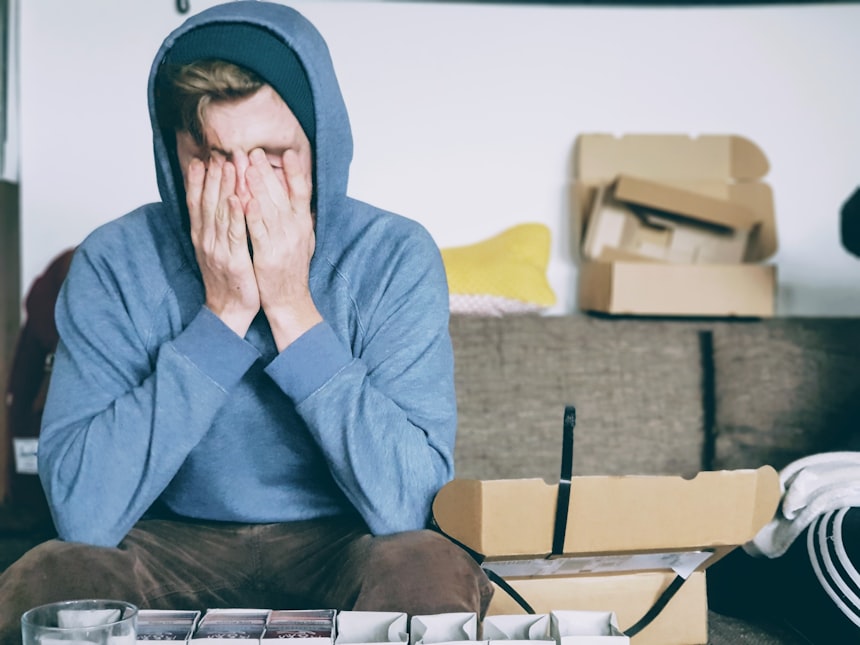
37% of adults worldwide feel stressed every single day — and most of them don’t even connect their headaches, poor sleep, and digestive issues to stress at all. Do you?
Mark was convinced he was healthy. He worked out three times a week, didn’t smoke, ate reasonably well. But he couldn’t sleep through the night. His digestion was off. He caught every cold that went around the office. He snapped at his kids more than he used to. His doctor ran a full panel and found nothing wrong — then asked one question: “How’s your stress level?” Mark laughed it off. “Fine, I guess.” But his cortisol levels told a different story. Chronic stress doesn’t always feel like stress. Sometimes it just feels like life.
stressed every single day
stress the day before survey
is a significant stressor
stress symptoms (APA 2025)
When stress becomes chronic — lasting weeks, months, or years — it stops being a mental experience and becomes a full-body assault. Here are the six systems taking the most damage, and the signs most people completely miss.
- Can’t remember things you knew five minutes ago
- Difficulty concentrating for more than 10–15 minutes
- Mood swings that feel disproportionate to the situation
- Noticeable heart pounding during low-intensity situations
- High blood pressure with no other obvious cause
- Chest tightness that comes and goes throughout the day
- Waking between 2–4 AM with racing thoughts
- Feeling exhausted despite 7–8 hours in bed
- Needing coffee to function before 10 AM every day
- Getting sick 4+ times a year when you used to get sick once
- Cuts and minor injuries taking longer than expected to heal
- Recurring infections (cold sores, UTIs, sinus infections)
- Bloating or stomach pain with no obvious dietary cause
- Alternating constipation and diarrhea during stressful periods
- Nausea or “knot in the stomach” feeling most mornings
- Gaining belly fat despite no major changes in diet
- Intense cravings for sugar or salty snacks after stressful days
- Weight loss plateau that doesn’t respond to diet changes
Here’s what makes chronic stress so insidious: your brain adapts to it. When stress becomes the baseline, it stops registering as stress and starts feeling like “normal.” Researchers call this habituation — the nervous system essentially recalibrates around a new, higher level of arousal, making the person increasingly unaware that anything is wrong even as their cortisol remains chronically elevated.
The APA’s 2025 Stress in America survey found that 75% of adults report physical or emotional symptoms related to stress — but a significant portion of those people don’t attribute those symptoms to stress at all. They attribute them to aging, poor diet, genetics, or bad luck. The headaches, the fatigue, the digestive issues, the weight gain — these are so normalized they’ve stopped being signals and become wallpaper.
Meanwhile, the science is unambiguous. According to the Mayo Clinic, long-term activation of the stress response and chronic cortisol exposure can disrupt almost every body system — raising risk of heart disease, diabetes, depression, digestive disorders, and impaired immune function. A 2025 ScienceDaily report found that anxiety and insomnia are linked to measurable drops in natural killer cell counts — the immune system’s frontline defense — even in otherwise healthy young adults.
The bottom line: chronic stress is not a feeling. It’s a physiological state. And the body keeps score whether you’re paying attention or not.
Most people think of stress as feeling anxious or overwhelmed. But chronic stress shows up in subtler, more physical ways — signs that are easy to dismiss, explain away, or simply not connect to stress at all.
| Hidden Sign | What It Feels Like | What’s Actually Happening | Risk Level |
|---|---|---|---|
| Jaw clenching / teeth grinding | Sore jaw or headache in the morning | Muscle tension from sustained cortisol | Medium |
| Frequent sighing | Involuntary deep breaths during the day | Body trying to reset the nervous system | Low–Med |
| Hair thinning or loss | More hair in the shower drain | Cortisol disrupts hair follicle cycles | Medium |
| Skin breakouts | Adult acne with no dietary change | Cortisol triggers excess sebum production | Medium |
| Low libido | Reduced interest in sex | Cortisol suppresses reproductive hormones | Medium |
| Constantly feeling cold | Cold hands, feet, or general chills | Stress reduces peripheral blood flow | Medium |
| Monday dread (cortisol spike) | Anxious or exhausted before work begins | Research shows cortisol peaks on Mondays | High |
| Irritability without reason | Snapping at small things unexpectedly | Prefrontal cortex weakened by cortisol | High |
You can’t eliminate stress — but you can change how your body responds to it. These six strategies are backed by peer-reviewed research, require no special equipment, and can produce measurable results within weeks.