
Have you ever wondered why your friend can eat pizza every weekend and still look amazing, while you feel like you gain weight just looking at a donut? Or maybe you’ve been hitting the gym religiously but still can’t seem to build the muscle you want or lose that stubborn belly fat?
The answer might not be *how much* you’re eating, but what you’re eating. Welcome to the world of macronutrients – the three nutritional powerhouses that can make or break your fitness journey.
What Are Macronutrients, Anyway?
Think of macronutrients (or “macros” as fitness enthusiasts love to call them) as the three main building blocks of every food you eat. Unlike vitamins and minerals that you need in tiny amounts, macronutrients are required in large quantities to fuel your body’s daily operations.
The three macro superstars are:
– Protein (4 calories per gram)
– Carbohydrates (4 calories per gram)
– Fats (9 calories per gram)
Every single thing you eat contains some combination of these three nutrients. That slice of pizza? It’s got all three. That “healthy” smoothie? Yep, all three again.
Protein: Your Body’s Construction Crew
If your body were a house under constant renovation, protein would be your construction crew. This macro is responsible for building and repairing everything from your muscles to your hair to your immune system.
Why Protein Matters for Your Goals
For muscle building: Without adequate protein, your post-workout recovery is like trying to build a wall without enough bricks. Your muscles literally cannot grow.
For weight loss: Protein has a high thermic effect, meaning your body burns more calories just digesting it compared to carbs or fats. Plus, it keeps you feeling full longer, reducing those 3 PM snack attacks.
Best protein sources: Lean meats, fish, eggs, dairy, legumes, quinoa, and protein powders.
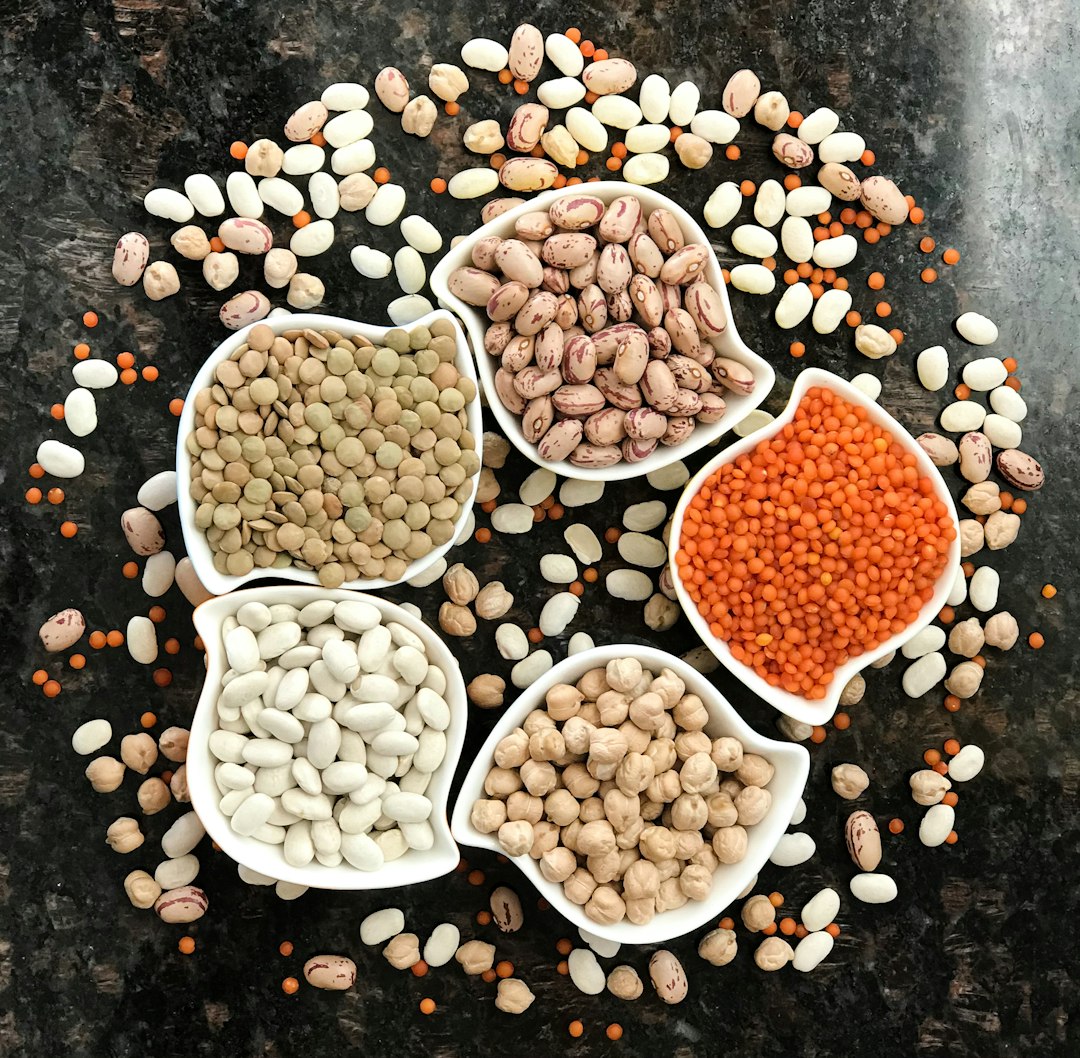
Carbohydrates: Your Body’s Premium Fuel
Despite what diet culture might tell you, carbs aren’t the enemy. They’re actually your body’s preferred source of energy, especially for your brain and muscles during exercise.
The Truth About Carbs
Simple vs. Complex: Think of simple carbs (candy, white bread) as kindling for a fire – they burn fast and bright but don’t last long. Complex carbs (oats, sweet potatoes, quinoa) are like logs that burn steadily and keep you energized for hours.
For athletic performance: Try doing a high-intensity workout on a low-carb diet, and you’ll quickly understand why athletes carb-load before competitions. Your muscles store carbs as glycogen, which is like having a gas tank full of premium fuel.
For brain function: Your brain runs almost exclusively on glucose (from carbs). Ever feel foggy on a low-carb diet? That’s why.
Smart carb choices: Whole grains, fruits, vegetables, legumes, and starchy vegetables like sweet potatoes.
Fats: The Misunderstood Hero
For decades, dietary fat was painted as the villain. Plot twist: healthy fats are absolutely essential for optimal health and can actually help you lose weight.
Why Your Body Craves Healthy Fats
Hormone production: Many crucial hormones, including testosterone and estrogen, are made from dietary fats. Cut fats too low, and your hormone production can tank.
Nutrient absorption: Vitamins A, D, E, and K are fat-soluble, meaning you need dietary fat to absorb them properly. That fat-free salad dressing might be sabotaging your nutrition.
Satiety and satisfaction: Fats make food taste amazing and keep you satisfied. Ever wonder why low-fat diets leave you constantly hungry?
Healthy fat sources: Avocados, nuts, seeds, olive oil, fatty fish, and coconut oil.

Finding Your Perfect Macro Balance
Here’s where it gets personal. There’s no one-size-fits-all macro ratio because everyone’s body, goals, and lifestyle are different.
Popular Macro Splits to Consider
For general health: 40% carbs, 30% protein, 30% fat
For muscle building: 40% carbs, 35% protein, 25% fat
For fat loss: 35% carbs, 40% protein, 25% fat
For endurance athletes: 50-60% carbs, 20% protein, 20-30% fat
Remember, these are starting points, not gospel. Your perfect ratio might require some experimentation.
The Macro Tracking Game-Changer
Once you understand macros, you realize that a calorie isn’t just a calorie. 200 calories from chicken breast will affect your body very differently than 200 calories from gummy bears, even though the calorie count is identical.
This is why some people can eat more food and still lose weight – they’re eating the right balance of macros for their goals.
Your Action Plan: Start Macro-Aware Today
Ready to harness the power of macros? Here’s how to get started:
1. Track your current intake for 3-5 days using an app like MyFitnessPal to see your baseline
2. Calculate your macro targets based on your goals (use an online macro calculator as a starting point)
3. Focus on whole foods that provide quality versions of each macro
4. Meal prep with purpose – plan meals that hit your macro targets
5. Start with protein – aim to include a quality protein source at every meal
6. Don’t go extreme – dramatic changes rarely stick; make gradual adjustments
7. Listen to your body – energy levels, performance, and how you feel matter more than perfect numbers
8. Be patient – give any new approach at least 4-6 weeks to see real results
Remember, understanding macronutrients isn’t about obsessing over every gram you eat. It’s about making informed choices that align with your goals and help you build a sustainable, healthy relationship with food. Your body is incredibly smart – give it the right building blocks, and it will amaze you with what it can achieve.