
86% of Americans Are Now Prioritizing High Protein Clean Eating — Here’s What the 2026 Data Says
Why This Matters in 2026
The clean-eating movement is officially the number one diet trend of 2026, powering sales of clean label products across every food category. At the same time, according to RepData research fielded on behalf of PepsiCo, 86% of Americans say they’re actively adding protein to their diets. The collision of these two forces has created one of the most powerful nutrition strategies of the decade.
“Protein has evolved from a fitness-driven demand to a lifestyle choice,” says Euromonitor’s Nick Stene — it is no longer just about fitness and strength.
Key takeaway: High protein clean eating is not a passing fad — it is the dominant nutrition movement of 2026, backed by consumer data and new federal guidelines.
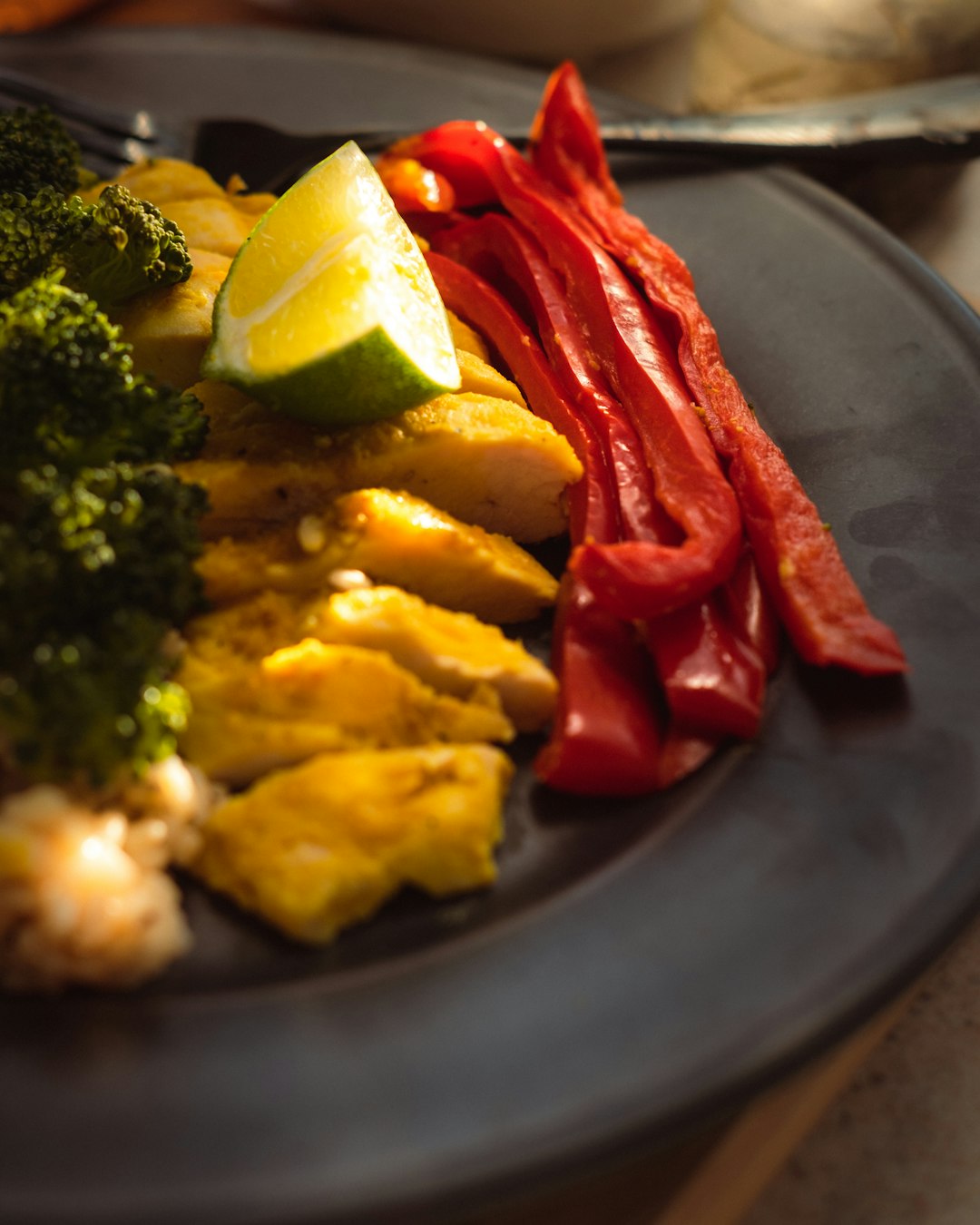
Photo by Sonny Mauricio on Unsplash
What High Protein Clean Eating Means and Why It Matters
The term fuses two non-negotiable principles: maximizing protein intake and sourcing it from whole, minimally processed foods. It is less about restriction and more about strategic nutrition. Here is what the evidence actually shows:
- The 2025–2030 Dietary Guidelines for Americans recommend a healthy protein range of 1.2–1.6 g per kg of body weight per day and prioritize a serving of protein with each meal.
- In 2025, “good source of protein” ranked first among the criteria Americans use to define a healthy food, selected by 38% of respondents — up from 29% in 2022.
- IFIC found 28% of Americans included “minimal or no processing” in their definition of healthy food, and 25% included limited or no artificial ingredients or preservatives.
- Consumer demand is specifically shifting toward foods perceived as natural, minimally processed, and easy to understand, with short ingredients lists and few additives.
Key takeaway: High protein clean eating means meeting the new federal daily protein targets exclusively through whole, clean-label food sources — not ultra-processed bars or shakes.
The Data and Evidence Behind This Approach
The numbers in 2026 are hard to ignore. More US consumers are following specific eating patterns than ever before — 57% in 2025 compared to only 36% in 2018, and a high-protein diet is the most common pattern, followed by 23% of respondents.
When asked about perceived health benefits of protein, muscle health and strength was the most recognized benefit (51% of respondents), followed by energy and less fatigue (45%), and overall well-being (35%).
In clinical research, participants who increased protein intake showed 50% less weight regain compared to control groups following initial weight loss. The thermic effect also plays a role: proteins induce greater satiety compared to carbohydrates and fats and elevate energy expenditure through the thermic effect of food (TEF).
Globally, the protein powder category alone is projected to grow from $28.8 billion in 2025 to $59.9 billion by 2035 — confirming that demand is structural, not seasonal.
Key takeaway: Science confirms that strategic, high-quality protein intake reduces weight regain, boosts satiety, and supports lean muscle — especially when paired with clean, whole-food sources.
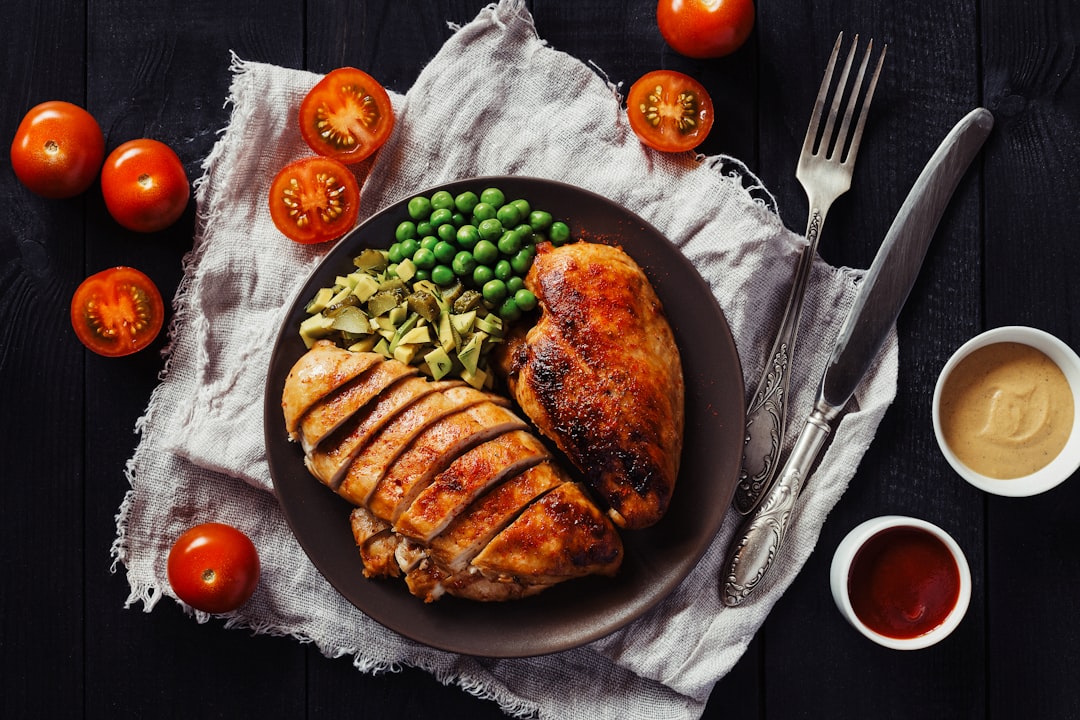
Photo by Elena Leya on Unsplash
How to Build a High Protein Clean Eating Plan Step by Step
Getting started does not require a complete diet overhaul. Follow this proven framework:
- Step 1: Calculate your target. Use the 2025–2030 DGA range of 1.2–1.6 g of protein per kg of body weight. A 75 kg adult should aim for 90–120 g per day from whole food sources.
- Step 2: Anchor every meal with a clean protein source. The new Dietary Guidelines recommend that protein foods be prioritized with every meal. Think eggs at breakfast, grilled chicken at lunch, and salmon or legumes at dinner.
- Step 3: Diversify your sources strategically. An emphasis on high-quality sources of whole-foods protein from both animal and plant sources helps ensure nutrient adequacy and a healthy, balanced dietary pattern.
- Step 4: Audit your labels for clean criteria. Prioritize foods that are minimally processed with short ingredient lists and few additives — reject any protein product with more than five unrecognizable ingredients.
- Step 5: Time your highest-protein meal intentionally. More than half of consumers prioritize protein at dinner (56%), while over 4 in 10 prioritize it at breakfast (44%) and lunch (42%). Spreading intake evenly across all three meals maximizes muscle protein synthesis.
Key takeaway: A structured, meal-by-meal approach to high protein clean eating is the most sustainable way to consistently hit your daily targets without relying on processed supplements.
Mistakes to Avoid
Even well-intentioned eaters fall into common traps. Watch out for these:
- Mistake 1: Chasing grams over quality. The protein obsession trend sometimes pushes heavily processed products that may not actually be healthier overall. A clean 25 g of protein from grilled chicken beats 30 g from an ultra-processed bar every time.
- Mistake 2: Underestimating plant proteins. A 2025 systematic review in *Nutrition Reviews* examined 43 clinical trials comparing plant and animal proteins for muscle growth. While younger adults showed slightly greater gains with animal protein, the difference was minimal — and among adults over 60, there was no significant difference in outcomes.
- Mistake 3: Ignoring the rest of the plate. Balance remains the most important factor — healthy high-protein eating should support energy, strength, and satisfaction without turning food into constant stress. Protein works best alongside fiber, healthy fats, and micronutrient-rich vegetables.
Frequently Asked Questions
Q: How much protein do I actually need per day for high protein clean eating?
A: The 2025–2030 Dietary Guidelines for Americans recommend a healthy range of 1.2–1.6 g of protein per kg of body weight per day for adults. This means a 70 kg person should aim for roughly 84–112 g of protein daily, prioritizing whole, minimally processed sources at every meal.
Q: Are protein supplements necessary on a high protein clean eating plan?
A: For many people, meeting daily protein needs through whole foods is both sufficient and ideal. But for athletes, older adults, or those with limited appetites, protein supplements can offer a convenient way to fill nutritional gaps. Always check the label for clean-ingredient criteria before choosing a supplement.