
GLP-1 Friendly High Protein Eating Is Now a Medical Urgency — Here Is What the 2026 Data Says
A breaking study set to be presented at the European Congress on Obesity reveals that people on GLP-1 weight-loss drugs eat a “critically low” amount of protein and frequently skip meals — findings that researchers say highlight an “urgent need for proactive nutritional monitoring.” This is not a fringe concern. It is a defining nutrition crisis of 2026.
Why This Matters Right Now
An estimated 10 million Americans are currently on a GLP-1 treatment, and J.P. Morgan projects that number will surpass 30 million by 2030. With that kind of scale, the protein gap is not an individual problem — it is a public health one.
“Protecting muscle mass should be a central goal of any weight-loss program,” said lead researcher Valentina Vinelli of IRCCS San Raffaele Hospital. Getting protein right from day one is non-negotiable.
Key takeaway: The GLP-1 boom has created a silent protein crisis — and the science in 2026 is finally demanding we fix it.
What GLP-1 Friendly High Protein Eating Actually Means
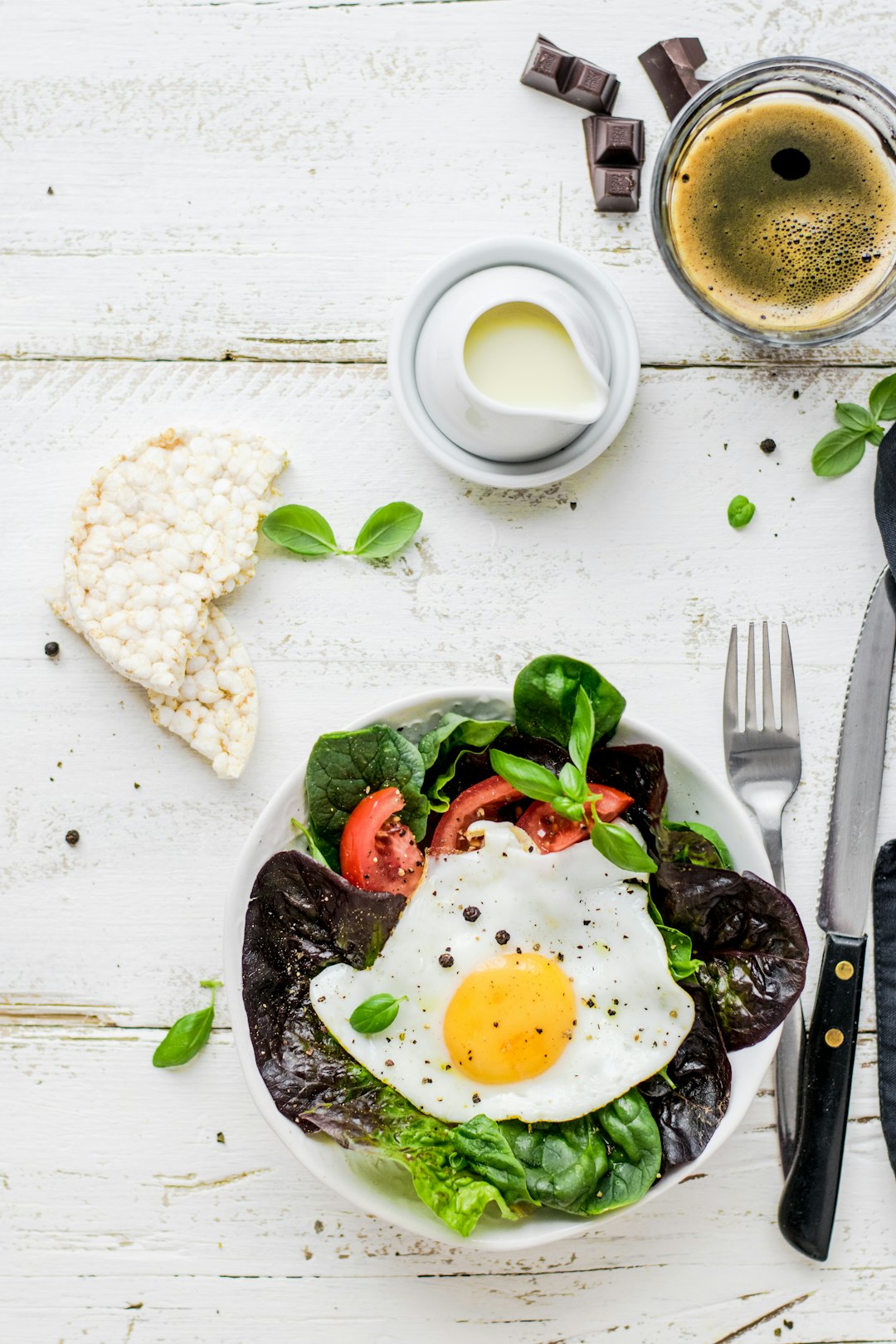
More than just smaller portions, a truly GLP-1 friendly approach emphasizes balance: protein to combat muscle loss as weight falls off quickly, and fiber from fruits and vegetables, because these medications slow digestion. It is a framework, not just a food swap.
Here are the pillars every GLP-1 user must understand:
- GLP-1 users consume only ~54 grams of protein per day on average, compared to 62 grams among non-users — a gap that compounds muscle loss risk over time.
- Up to 39% of weight lost on semaglutide can come from lean body mass rather than fat, according to clinical data published in the *New England Journal of Medicine*.
- GLP-1 users are significantly more likely to skip breakfast, lunch, and dinner than non-users, “reducing opportunities for adequate protein distribution across the day.”
Key takeaway: GLP-1 friendly high protein eating is the deliberate, strategic act of protecting your muscle while your medication handles appetite.
The Data Behind the Protein Target
The recommended protein target for GLP-1 users is approximately 1.2 grams per kilogram of body weight per day (0.55 grams per pound) — meaning a 150-pound person needs roughly 82 grams daily.
When adjusted for body weight, actual protein intake among GLP-1 patients was found to be “critically low” at just 0.6 grams per kilogram per day — less than half of the current recommended threshold. That shortfall is not minor; it directly accelerates muscle loss.
A study from the *Journal of Clinical Endocrinology & Metabolism* found that GLP-1 patients who consumed higher-protein diets retained significantly more lean mass over 68 weeks compared to those on standard protein intake.
NBC News medical contributor Dr. Natalie Azar advises consuming 20–30 grams of protein per meal, every single day. Spread evenly, that structure protects both muscle and metabolism.
A daily target of 100–120 grams of protein is appropriate for most adults on GLP-1 medications, roughly 1.0–1.5 grams per kilogram of body weight, an amount clinically shown to help preserve muscle mass during rapid weight loss.
Key takeaway: Hitting 1.2 g/kg of protein daily is not optional for GLP-1 users — it is the line between losing fat and losing muscle.
How to Build a GLP-1 Friendly High Protein Eating Plan Step by Step
Making every bite count requires structure. Here is how to do it practically:
- Step 1: Eat high-protein foods first at every meal, then move to non-starchy vegetables. This ensures you hit your protein target before fullness sets in.
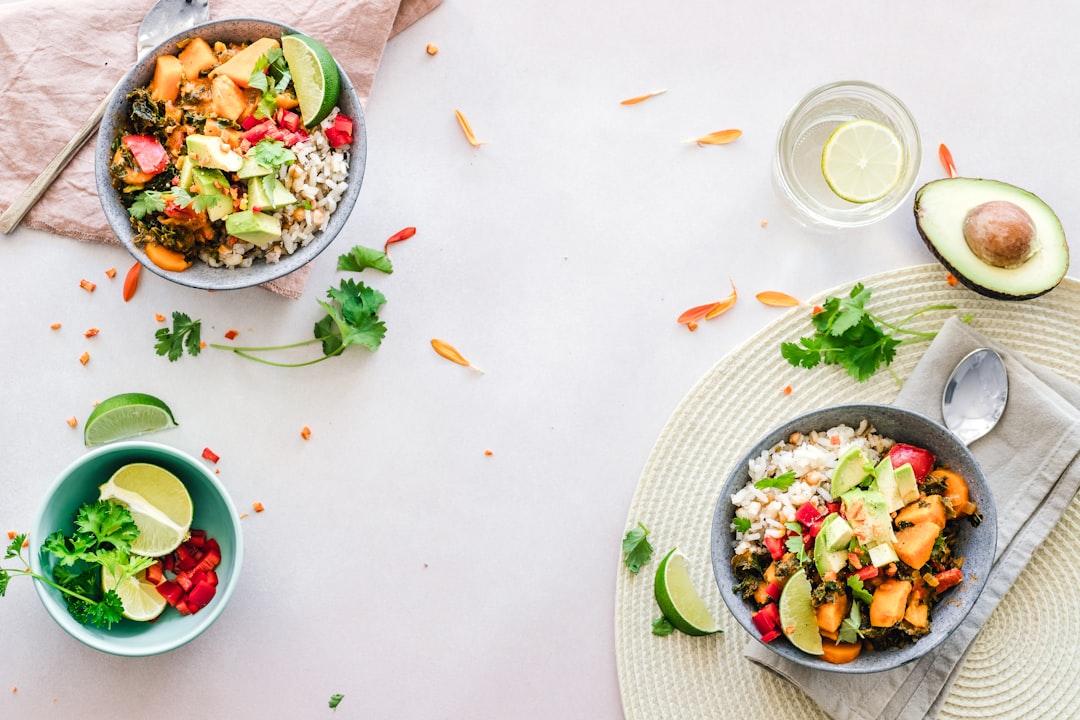
- Step 2: Shift from two or three large meals to five or six smaller, balanced eating occasions throughout the day — each containing a protein source, a vegetable, and a whole grain if tolerated.
- Step 3: Add a protein-rich, low-sugar smoothie as a snack on days when nausea makes solid meals difficult to finish.
- Step 4: Prioritize eggs, healthy fats like avocados and nuts, whole grains, berries, legumes, and leafy greens as your primary food sources.
- Step 5: Time your protein intake intentionally — guidance needs to emphasize not just adequate protein quantity, but also “optimal protein intake timing” across the day for muscle synthesis.
Key takeaway: Structure beats willpower — building protein into every mini-meal is the single most actionable habit for GLP-1 users.
Mistakes That Quietly Derail Your Results
Even motivated GLP-1 users fall into these traps:
- Mistake 1: Trusting “GLP-1 Friendly” labels blindly. There is no regulated or medically defined standard for what “GLP-1 Friendly” foods must contain, meaning the labels are effectively just marketing. Always read the actual nutrition panel.
- Mistake 2: Skipping meals to manage nausea. It is best to avoid skipping meals entirely — if you cannot eat a full meal, split it into two smaller portions eaten two to three hours apart. Skipping only deepens the protein deficit.
- Mistake 3: Relying on high-fat or processed proteins. Because protein consumption is associated with delayed gastric emptying, it is advisable to choose low-fat protein sources such as white meats and fish, while avoiding red meats and processed cold cuts.
- Mistake 4: Ignoring hydration. GLP-1 medications may reduce your sense of thirst, which can lead to dehydration — and dehydration worsens both constipation and nausea. Aim for 8–12 cups of fluid daily.
- Mistake 5: Going it alone without dietary guidance. Many people taking GLP-1 drugs receive little or no guidance on diet quality and protein intake — and researchers stress that personalized dietary guidance should be a core part of any obesity treatment plan.
Frequently Asked Questions
Q: How much protein do I need per day on a GLP-1 medication?
Most registered dietitians recommend approximately 1.2 grams of protein per kilogram of body weight daily, which equals about 82 grams for a 150-pound person. If your appetite is very low, the key priority is hitting at least 80 grams daily, even if you must reduce all other food portions.
Q: What are the best protein foods to eat while on Ozempic, Wegovy, or Mounjaro?
Top choices include lean protein sources like fish, chicken, tofu, and beans — two nutrients to keep at the top of your mind are protein and fiber. For plant-based eaters, tofu, tempeh, seitan, Greek yogurt, cottage cheese, eggs, beans, and lentils are excellent options — aim for 20–30 grams per meal from plant sources.