💤 Lifestyle · 2026
Why Snoring Is More Dangerous
Than You Think
It’s not just noise — untreated snoring is linked to heart failure, stroke, diabetes, and dementia
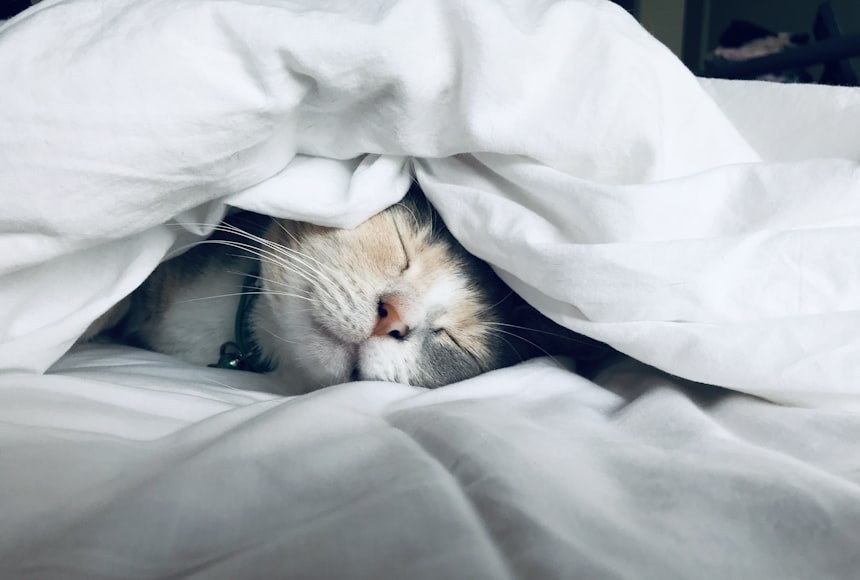
For most people, snoring is a nuisance — something your partner tolerates or your roommate complains about. But according to the American Heart Association and a growing body of 2026 research, habitual snoring is one of the most consistently underestimated health warning signs in existence.
📅 Updated April 2026🏥 Medically Referenced⏱ 6 min read
“I’ve always been a loud snorer — but I sleep fine and feel okay during the day.” Sound familiar? The problem is, most people with obstructive sleep apnea have no idea they stop breathing dozens or hundreds of times per night. A landmark statement from the American Heart Association confirms that obstructive sleep apnea (the condition most snoring leads to) increases heart failure risk by 140%, stroke risk by 60%, and coronary artery disease risk by 30%. If you snore regularly, here’s what you genuinely need to know.
⚠️ What Chronic Snoring Does to Your Body
🫀
Strains Your Heart Around the Clock
When breathing pauses, oxygen levels drop. Your heart compensates by pumping harder to maintain circulation. Over years, this chronic overload contributes to hypertension, arrhythmia, and heart failure — even in people who feel “fine” during the day.
🧠
Deprives Your Brain of Oxygen
Repeated nocturnal hypoxia accelerates cognitive decline. Research from 2026 shows habitual snoring is associated with increased arterial stiffness independently of sleep apnea severity. Long-term, this raises dementia and memory impairment risk.
😫
Destroys Sleep Quality
Each time breathing pauses, the brain briefly wakes to restore airflow. Even if you don’t remember it, these micro-arousals destroy deep sleep architecture — leaving you chronically fatigued despite spending 8 hours in bed.
🩺
Increases Metabolic Disease Risk
Sleep apnea disrupts glucose regulation and worsens insulin sensitivity. The American Heart Association notes that OSA prevalence is as high as 40–80% in patients who already have hypertension, heart failure, or type 2 diabetes.
⚠️ Silent sleep apnea is real. Not everyone with sleep apnea snores loudly. Some people have “quiet” apnea — breathing silently stops, oxygen drops, and the heart still takes damage. If you wake with headaches, feel exhausted despite adequate sleep, or experience daytime brain fog, see a doctor regardless of whether your partner reports snoring.
🔍 Snoring vs. Sleep Apnea: What’s the Difference?
Clinical Distinction
Simple snoring: Airflow passing through a narrowed airway causes tissue vibration and noise. Breathing doesn’t stop. While less dangerous on its own, chronic snoring still causes local vascular inflammation and is strongly associated with cardiovascular risk over time.
Obstructive sleep apnea (OSA): The airway partially or fully collapses, causing breathing to stop for 10+ seconds — sometimes up to a minute. This happens dozens to hundreds of times nightly. Blood oxygen plummets, stress hormones spike, and the cardiovascular system takes cumulative damage. Most people with OSA snore, but not all snorers have OSA.
How to check at home: Ask a sleep partner to observe your breathing, or use a sleep-tracking app that records audio and breathing patterns. A formal diagnosis requires a sleep study (polysomnography) — available at most sleep clinics and increasingly through home testing devices.
| Symptom | Simple Snoring | Sleep Apnea (OSA) |
|---|
| Loud snoring | ⚠️ Present | 🔴 Severe + pauses |
| Breathing stops | No | 🔴 Repeatedly |
| Morning headaches | Occasionally | 🔴 Common |
| Daytime fatigue | Mild | 🔴 Severe |
| Cardiovascular risk | Moderate | 🔴 High |
| Treatment needed | ⚠️ Lifestyle changes | 🔴 Medical treatment |
💡 How to Address Snoring and Sleep Apnea
🎯 Lifestyle Changes That Make a Measurable Difference
① Lose weight if needed — A 10% weight reduction reduces apnea events by nearly 32% (AHA data). Neck circumference is one of the strongest predictors of OSA severity.
② Sleep on your side — Back sleeping allows the tongue and soft palate to collapse toward the airway. Side sleeping alone can reduce snoring intensity by 50%+ in mild cases.
③ Avoid alcohol within 3 hours of bedtime — Alcohol relaxes throat muscles, worsening both snoring and apnea severity.
④ Establish a consistent sleep schedule — Sleep deprivation itself worsens airway muscle tone.
🩺
CPAP Therapy
The gold standard for moderate-to-severe OSA. Continuous positive airway pressure keeps the airway open throughout the night. Studies show CPAP significantly reduces blood pressure and cardiovascular event risk. Improved mask designs in 2025–2026 have dramatically increased comfort and compliance.
🦷
Oral Appliances
Custom mouthpieces that advance the lower jaw forward to open the airway. Effective for mild-to-moderate OSA and often preferred by patients who find CPAP uncomfortable. Fitted by a dental specialist for the best results.
🏥
Sleep Study First
Before trying any treatment, get a proper diagnosis. Home sleep apnea tests are now widely available and often covered by insurance. Treatment without diagnosis means you may be addressing the wrong cause entirely.
📊
Track Your Sleep
Wearables and under-mattress sensors can now monitor oxygen saturation and breathing patterns nightly. A 2026 study using multi-night tracking showed that single-night assessments miss significant variability — consistent monitoring gives a far more accurate picture.
❓ Frequently Asked Questions
Can losing weight stop snoring?
For many people, yes. Excess weight, particularly around the neck and throat, narrows the airway and increases the likelihood of both snoring and sleep apnea. According to the American Heart Association, a 10% increase in body weight is associated with a 32% increase in sleep apnea severity. Conversely, even modest weight loss of 10–15 lbs can meaningfully reduce snoring intensity and apnea events. However, lean individuals can also have OSA due to anatomical factors — so weight loss isn’t a guaranteed cure.
Is snoring hereditary?
Yes — to a significant degree. Craniofacial anatomy (jaw size, palate shape, airway dimensions) is largely genetic. If both parents snore or have been diagnosed with sleep apnea, your risk is substantially higher. However, lifestyle factors like weight, alcohol use, and sleep position are modifiable risk factors that can substantially change your outcome regardless of genetic predisposition.
My partner snores — should I be worried?
If snoring is accompanied by pauses in breathing, gasping or choking sounds, excessive daytime sleepiness, morning headaches, or difficulty concentrating, these are red flags for sleep apnea that warrant a medical evaluation. Simple, consistent snoring without these symptoms may not require immediate intervention, but a conversation with a primary care physician is always worthwhile. Home sleep tests are now affordable and accessible.
Can children have sleep apnea?
Yes — and it’s underdiagnosed in children. Pediatric OSA is most commonly caused by enlarged tonsils or adenoids. Unlike adults, children with sleep apnea often don’t show excessive daytime sleepiness — instead, look for hyperactivity, attention problems, bedwetting, and poor school performance. If your child snores regularly or appears to struggle with breathing during sleep, consult a pediatrician promptly.
