
Replacing Meals with Protein Shakes:
Does It Actually Work?
The truth about meal replacement shakes — what research says and how to use them right
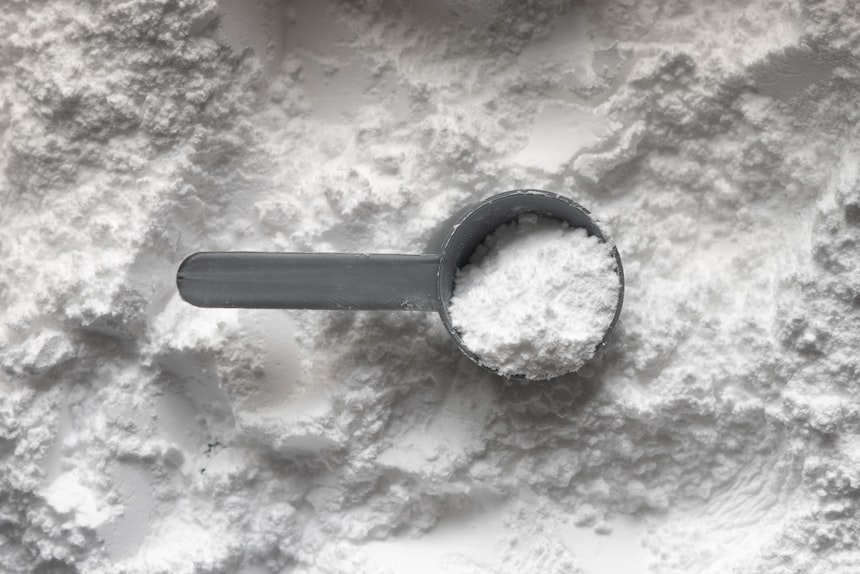
Protein shakes seem like the perfect shortcut: fewer calories, more protein, no cooking required. But are they actually a sustainable substitute for real meals — or just a setup for rebound weight gain?
Many of us have tried skipping breakfast for a protein shake, feeling virtuous for about three hours before the hunger hits hard. Or maybe you’ve seen someone lose 15 pounds on a shake diet — only to gain it all back within months. The research tells a nuanced story: protein shakes can absolutely support fat loss, but only when used the right way. Here’s what a March 2026 Medical News Today review and multiple clinical trials actually conclude about meal replacement shakes — and where most people go wrong.
shake group vs. control group
primarily on protein shakes
sustainable, safe results
for muscle protein synthesis
The rebound problem: Replacing two or more meals daily with shakes creates a calorie deficit that feels easy short-term. But protein powder lacks the full spectrum of vitamins, minerals, fiber, and phytonutrients found in whole foods. A 2025 meta-analysis found that people following varied whole-food diets (like Mediterranean or DASH) had significantly better metabolic health outcomes than those relying on processed meal replacements.
Satiety without chewing: The act of chewing itself signals fullness to the brain. Liquid meals bypass this mechanism, which means your hunger centers don’t fully register the calories consumed. The result: people typically overeat at subsequent meals, erasing the calorie deficit the shake created.
Sugar content warning: Many commercial protein shakes contain 15–25g of added sugar per serving — comparable to a candy bar. Always check the label: look for less than 5g of sugar, at least 20g of protein, and minimal artificial additives.
⚠️ Watch out for lactose intolerance! Most whey protein products contain dairy derivatives. If you experience bloating, cramping, or digestive discomfort after drinking protein shakes, switch to whey protein isolate (WPI) or a plant-based option (pea, rice, or hemp protein). Both provide equivalent muscle-building results without the digestive side effects.
| Situation | Recommendation | Why |
|---|---|---|
| Post-workout (within 60 min) | ✅ Highly recommended | Muscle synthesis golden window |
| Replacing one meal per day | ⚠️ Short-term only | Adjust remaining meals to compensate |
| Closing a daily protein gap | ✅ Effective | Most efficient protein source per calorie |
| Replacing 2+ meals per day | ❌ Not recommended | Nutritional deficiency and rebound risk |
| Without regular exercise | ⚠️ Caution | Excess protein converts to fat |
🎯 How to Calculate Your Daily Protein Target
Sedentary (little to no exercise): 0.36g × bodyweight in lbs
Light activity (2–3x/week): 0.54–0.68g × bodyweight in lbs
Regular training (4–5x/week): 0.72–0.9g × bodyweight in lbs
Example: 150 lb person training 4x/week → target 108–135g of protein daily. Use food first, then supplement only the gap with a shake.