
Have you ever stood in the grocery store aisle, staring at an endless wall of protein powders, bars, and shakes, feeling completely overwhelmed? Or maybe you’ve caught yourself obsessively calculating protein grams at every meal, wondering if you’re eating too much, too little, or the wrong kind entirely?
You’re not alone. Protein has become the superstar macronutrient of the fitness world, but with all the conflicting information out there, it’s no wonder most people are confused about how much they actually need and when to eat it.
The Great Protein Myth-Buster
Let’s start by busting the biggest myth: you don’t need to eat your body weight in protein to see results. That Instagram influencer chugging their third protein shake of the day? They might actually be overdoing it.
The reality is that protein needs vary dramatically based on your goals, activity level, age, and overall health. While protein is undeniably crucial for muscle building, weight management, and overall health, more isn’t always better.
How Much Protein Do You Actually Need?
Here’s where things get interesting. The standard recommendation of 0.8 grams per kilogram of body weight is the bare minimum to prevent deficiency – but if you’re active or trying to build muscle, you’ll need significantly more.
For the average person: 1.2-1.6 grams per kilogram of body weight
For strength training enthusiasts: 1.6-2.2 grams per kilogram of body weight
For endurance athletes: 1.2-1.4 grams per kilogram of body weight
For older adults (65+): 1.2-1.6 grams per kilogram of body weight
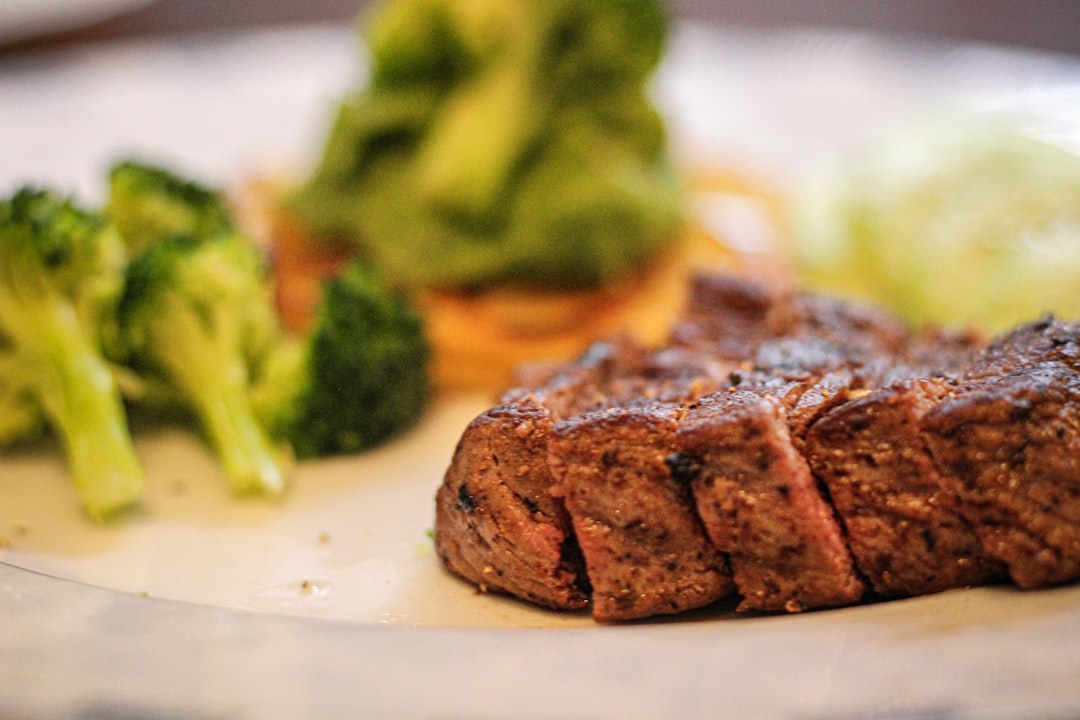
To put this in perspective, a 150-pound person doing regular strength training would need roughly 109-150 grams of protein daily – that’s about 4-6 ounces of chicken breast, not the massive steaks some fitness gurus promote.
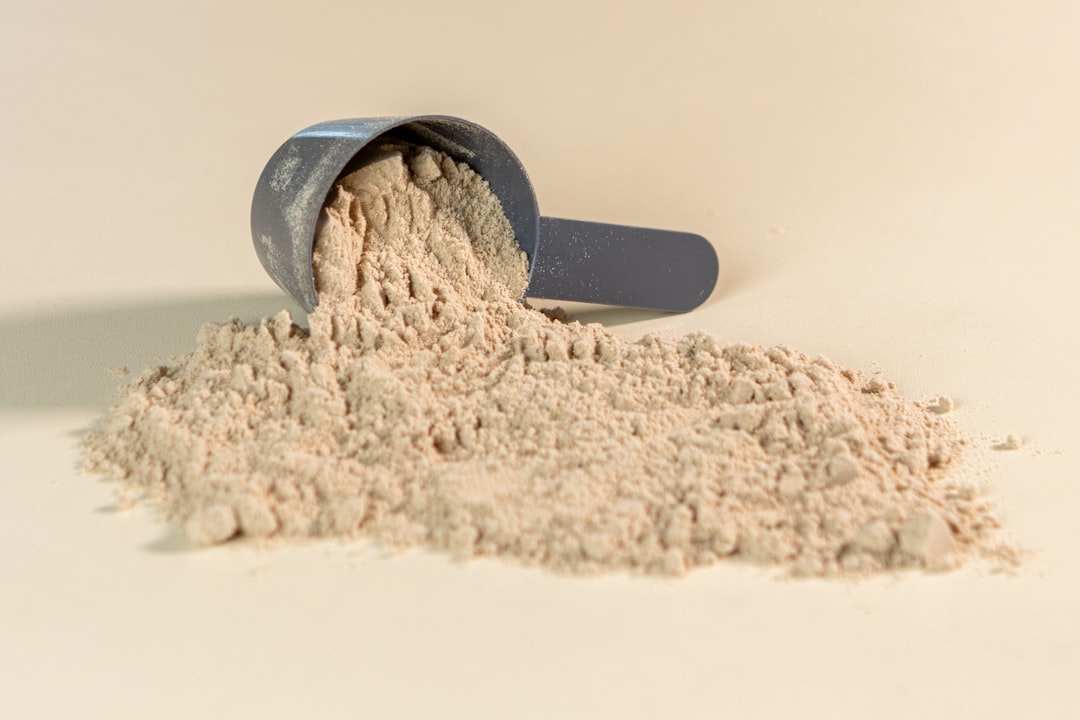
Timing Isn’t Everything (But It Matters)
Remember the frantic rush to gulp down a protein shake within 30 minutes of your workout? That “anabolic window” isn’t as narrow as we once thought. Recent research shows that your total daily protein intake matters more than precise timing.
That said, spreading your protein throughout the day does have benefits:
– Better muscle protein synthesis when you consume 20-40 grams every 3-4 hours
– Improved satiety that helps control hunger and cravings
– Enhanced recovery when you include protein in post-workout meals
The bottom line? Don’t stress if you can’t immediately chug a protein shake after your workout, but do try to include protein in most of your meals and snacks.
Quality Over Quantity: The Complete Picture
Not all proteins are created equal. Complete proteins contain all nine essential amino acids your body can’t make on its own. These include:
– Animal proteins (meat, fish, eggs, dairy)
– Quinoa
– Soy products
– Hemp seeds
Incomplete proteins are missing one or more essential amino acids but can be combined throughout the day to create a complete amino acid profile. Think rice and beans, or peanut butter on whole grain bread.
Plant-based eaters, take note: you don’t need to combine proteins at every meal, but eating a variety throughout the day ensures you’re getting all essential amino acids.
The Hidden Benefits Beyond Muscle Building
While protein’s muscle-building reputation gets all the attention, its other benefits are equally impressive:
Weight Management: Protein has the highest thermic effect of all macronutrients, meaning your body burns more calories digesting it. It also increases satiety hormones, helping you feel full longer.
Bone Health: Contrary to old beliefs, adequate protein intake supports bone density, especially when combined with resistance training.
Metabolic Health: Protein helps stabilize blood sugar levels and can improve insulin sensitivity when part of a balanced diet.
Brain Function: Amino acids are precursors to neurotransmitters that affect mood, focus, and cognitive function.
Common Protein Mistakes That Sabotage Results
Mistake #1: The All-or-Nothing Approach
Loading up on 60 grams of protein at dinner while skimping at breakfast isn’t optimal. Your body can only use about 20-40 grams effectively at one time for muscle building.
Mistake #2: Ignoring Protein Quality
A protein bar loaded with sugar and artificial ingredients isn’t equivalent to a piece of grilled salmon, even if they have similar protein content.
Mistake #3: Overlooking Plant Sources
Animal protein isn’t the only game in town. Legumes, nuts, seeds, and whole grains can significantly contribute to your daily protein needs.
Mistake #4: Forgetting About Digestion
All the protein in the world won’t help if your body can’t digest it properly. Stay hydrated, eat fiber-rich foods, and consider digestive enzymes if needed.
Your Protein Action Plan
Ready to optimize your protein intake? Here’s your step-by-step game plan:
1. Calculate your personal needs using the guidelines above based on your activity level and goals.
2. Track for one week to see where you currently stand – you might be surprised by the results.
3. Plan protein at each meal: Include 20-30 grams at breakfast, lunch, and dinner, with smaller amounts in snacks.
4. Diversify your sources: Mix animal and plant proteins throughout the week for optimal nutrition and sustainability.
5. Time it right: Have a protein-rich snack or meal within 2 hours post-workout for best recovery results.
6. Stay consistent: Focus on hitting your daily target rather than perfect meal timing.
Remember, the best protein strategy is one you can stick with long-term. Start with small changes, be patient with the process, and let your energy levels and results guide you toward what works best for your body.