
The Fastest-Growing Fitness Trend of 2026 Just Hit a Staggering 2,968% Search Surge
PureGym’s 2026 Fitness Report reveals Japanese walking as the fastest-growing fitness trend, up 2,968 percent year-over-year. That number is not a typo. No other trend in recent memory has climbed this fast, this broadly, across this many age groups.
Why This Matters in 2026
This year’s results capture a clear shift back to basics, with lower-impact, more accessible forms of movement centered around walking and mobility taking center stage. People are exhausted by punishing routines that require total life reorganization.
People are shifting away from super high-intensity workouts that leave them exhausted and injured. Instead, there is a growing preference for softer, more sustainable forms of movement that fit into real life.
Key takeaway: The Japanese Walking Workout Trend is not hype — it is a measurable, data-backed cultural reset in how the world approaches fitness.
What the Japanese Walking Workout Trend Actually Is
Japanese walking, also known as interval walking training (IWT), is a structured walking method that alternates between three minutes of brisk, fast-paced walking and three minutes of slower recovery walking. That simple alternation is the entire method.
- Its origins date back to a study published in 2007 by researchers at Shinshu University in Japan — hence the name Japanese walking.
- IWT appears to provide more advantages than walking 8,000 steps a day at a steady moderate pace, also called continuous walking training (CWT).
- What makes Japanese walking different is its accessibility — anyone can do it anywhere without special equipment or training.
- A complete Japanese walking session takes about thirty minutes, not including a warm-up and cool-down.
Key takeaway: The Japanese Walking Workout Trend packages clinically tested interval science into a format anyone can do, with zero equipment and zero cost.
The Science Behind It: Real Numbers, Real Studies
The credibility of this trend stems from a landmark 2007 study conducted by researchers at Shinshu University, who followed 246 middle-aged and older adults over five months to compare different walking protocols.
Interval walking training increased peak aerobic capacity by 14% and decreased the lifestyle-related disease score by 17% on average. That lifestyle-related disease score tracks blood pressure, BMI, blood glucose, and cholesterol simultaneously.
A 14% increase in aerobic capacity can effectively “de-age” a person’s cardiovascular system by a decade. The cardiovascular benefits are equally compelling.
Any type of interval training is especially good for heart health. The higher-intensity periods get your heart rate elevated and increase blood flow to your muscles, while the lower-intensity periods allow your breathing to recover. This rapid cycling improves cardiovascular fitness and helps your body better consume oxygen.
IWT burns more calories than steady-state cardio because the bursts of high-intensity effort create an “afterburn effect” where you continue to burn calories even after you’re done exercising.
A 2024 review of IWT concluded that its health benefits were “well established both in middle- and older-aged but otherwise healthy individuals and in individuals with metabolic diseases.”
Key takeaway: Decades of peer-reviewed research confirm that 30 minutes of interval walking, done four days a week, outperforms steady-paced walking on nearly every health metric.
How to Do It: A Step-by-Step Starter Plan
A typical session includes a five-minute warm-up, 20 to 24 minutes of alternating intervals, and a five-minute cool-down. Follow these steps exactly:
- Step 1: Warm up. Never jump straight into a brisk interval. Spend 5 minutes walking at a very slow, leisurely pace to lubricate your joints and gradually increase your heart rate.
- Step 2: Run your intervals. Alternate between walking at a slow, comfortable pace for three minutes and then walking at a fast, hard-effort pace for another three minutes. Repeat this cycle at least five times.
- Step 3: Gauge your effort. The slow intervals should be truly easy — you should hold a conversation without any effort. The fast intervals should be challenging — you should be breathing hard and find it difficult to speak in full sentences.
- Step 4: Use a wearable. In 2026, many modern fitness trackers have specific “Interval Walking” modes that will vibrate on your wrist when it is time to switch intensities.
- Step 5: Set your weekly target. Aim for 3 to 4 sessions per week — research suggests this frequency delivers the best results, but even two sessions weekly can be beneficial.
Key takeaway: The entire protocol fits into 30 minutes, requires only supportive shoes, and adapts to any fitness level from day one.
Mistakes to Avoid When Starting Out
- Mistake 1: Skipping the warm-up. Cold muscles and joints forced into brisk intervals increase injury risk. Even five minutes of easy strolling primes your body for the work ahead and protects your knees.
- Mistake 2: Going too hard, too fast. If you want to start an interval walking program, start low and build slowly. Try walking at your regular pace for a few minutes, then walk briskly for 20 to 30 seconds, and repeat. As your body adapts, gradually increase the duration of the faster walking bouts.
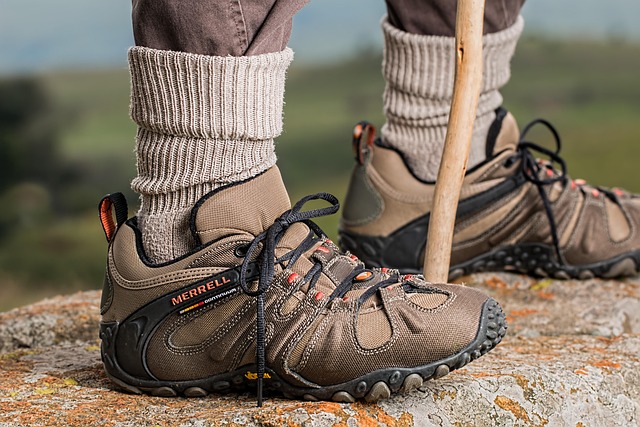
- Mistake 3: Wearing worn-out shoes. The best shoes for Japanese walking are walking or running shoes with good cushioning and a secure fit. If your shoes are old or worn out, they will not support you well and can lead to pain or injury.
- Mistake 4: Stopping during recovery intervals. During the easy phase, let your heart rate settle — but do not stop walking. Keep moving slowly to aid circulation.
- Mistake 5: Expecting it to replace strength training. Japanese walking does not do as much for muscle strengthening and growth as it does for heart health, so it is important to have a well-rounded fitness program.
Frequently Asked Questions
Q: How many days a week should I do Japanese walking to see results?
A: Research shows that doing it at least four days a week can improve your aerobic fitness, lower your blood pressure, and build muscle strength. Some experts suggest upping it to five days per week, which would give you 150 minutes of moderate-intensity exercise — the exact aerobic activity recommendation from the American Heart Association.
Q: Is the Japanese Walking Workout Trend suitable for older adults or beginners?
A: Interval walking training is for almost everyone because it is a low-impact exercise with a low risk of injury. Beginners, people who are overweight, and older adults who do not like going to a gym may prefer IWT because it requires no gym membership or special equipment. Older adults who practiced Japanese walking for five months showed improvements in resting blood pressure, lower-limb muscle strength, and VO2 max, a key indicator of cardiovascular fitness.