
You don’t need a gym membership, a set of dumbbells, or a fancy treadmill to get in the best shape of your life. What you need is a clear plan, a little floor space, and the willingness to show up consistently. Millions of people have transformed their bodies using nothing more than their own bodyweight, and the research backs it up — bodyweight training builds strength, improves cardiovascular health, and increases flexibility just as effectively as gym-based exercise when programmed correctly. If you’ve been putting off your fitness goals because you think you lack the resources, this is your sign to stop waiting. The home workout routine for beginners with no equipment you’re about to learn is simple, science-backed, and designed to get real results starting on day one.
Why No-Equipment Training Works Better Than You Think
There’s a persistent myth that fitness only counts if it costs money. That myth has kept more people sedentary than almost any other belief in the wellness space. The truth is that compound bodyweight movements — exercises that engage multiple muscle groups simultaneously — are among the most effective tools for building functional strength and burning calories.
Push-ups train your chest, shoulders, triceps, and core at once. Squats recruit your glutes, quads, hamstrings, and lower back simultaneously. These aren’t beginner exercises you graduate from. They’re foundational movements that elite athletes use throughout their entire careers. The key difference between beginner and advanced versions is form, speed, and volume — not the equipment used.
When you commit to a structured home workout routine for beginners with no equipment, you’re also eliminating the biggest excuses that derail most fitness journeys: travel time, gym costs, and schedule conflicts.
The 5 Essential Movements Every Beginner Needs to Master
Before diving into sets and reps, understand that every effective beginner program is built around five movement patterns. These are squat, hinge, push, pull, and core. Without equipment, you’ll approximate the pull pattern with exercises like Superman holds and door-frame rows, but the other four patterns are completely accessible.
Here are the movements to focus on:
- Squat: Bodyweight squats, sumo squats, wall sits
- Hinge: Glute bridges, single-leg deadlifts (no weight), good mornings
- Push: Push-ups, incline push-ups, pike push-ups
- Core: Planks, dead bugs, mountain climbers
- Cardio: Jumping jacks, high knees, burpees
Mastering these movements with proper form before increasing intensity is what separates consistent progress from injury and burnout.
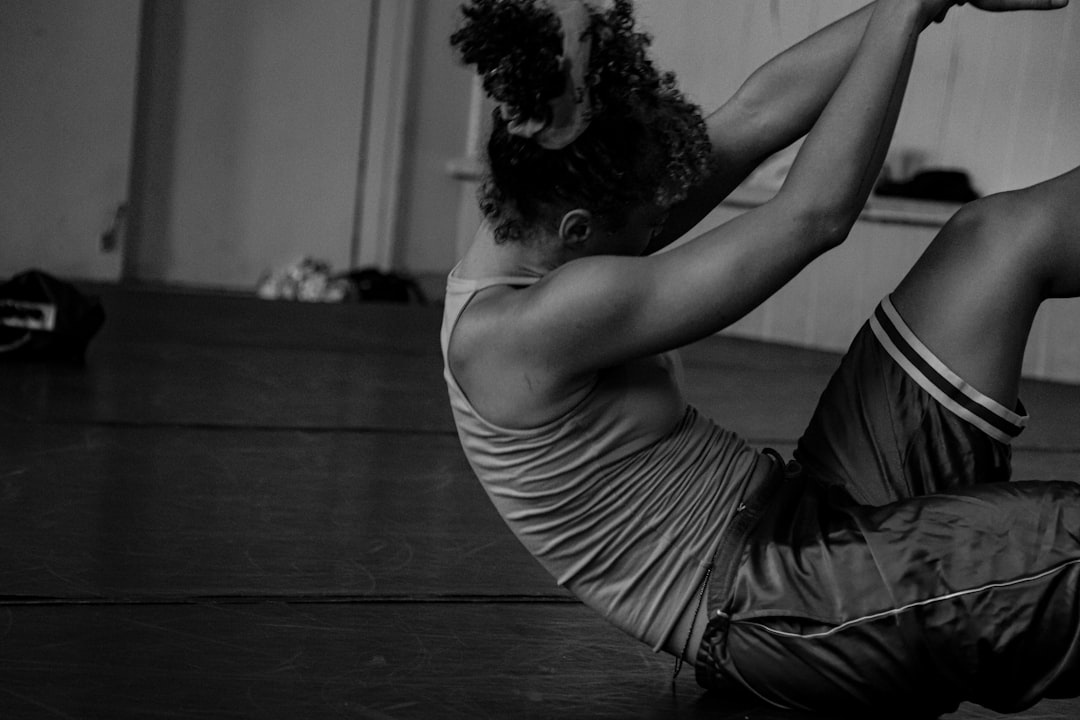
Your Weekly Schedule: 3 Days On, Smart Rest Built In
One of the most common beginner mistakes is either doing too little (one random workout per week) or too much (training every day with no recovery). The sweet spot for beginners is three training days per week with at least one rest day between sessions.
A simple weekly structure looks like this:
Day 1 (Monday) — Lower Body Focus:
3 rounds of: 15 bodyweight squats, 12 glute bridges, 10 reverse lunges per leg, 30-second wall sit
Day 2 (Wednesday) — Upper Body and Core:
3 rounds of: 10 push-ups (modified on knees if needed), 15 shoulder taps, 30-second plank, 12 tricep dips using a chair
Day 3 (Friday) — Full Body and Cardio:
3 rounds of: 20 jumping jacks, 10 burpees, 15 squats, 10 push-ups, 30-second high knees
Rest, walk, or do gentle stretching on the remaining days. Recovery is not optional — it’s when your muscles actually grow and adapt.
Action Tips to Make Every Session Count
Knowing the exercises is one thing. Getting the most out of each session requires a few non-negotiable habits:
Warm up for 5 minutes before every session. March in place, do arm circles, and perform 10 leg swings per side. Cold muscles are injury-prone muscles.
Focus on form over speed. A slow, controlled push-up with full range of motion outperforms 20 sloppy reps every single time. Film yourself occasionally to check your alignment.
Track your workouts in a notebook or phone app. Progression is the engine of results. If you did 8 push-ups last week, aim for 10 this week.
Use a timer, not just a rep count. Try 40 seconds of work followed by 20 seconds of rest. This keeps intensity honest and removes the temptation to rush through reps.
Stay hydrated and prioritize sleep. No workout program — regardless of how well-designed — can overcome chronic dehydration and poor sleep. These are the unspoken pillars of every fitness transformation.
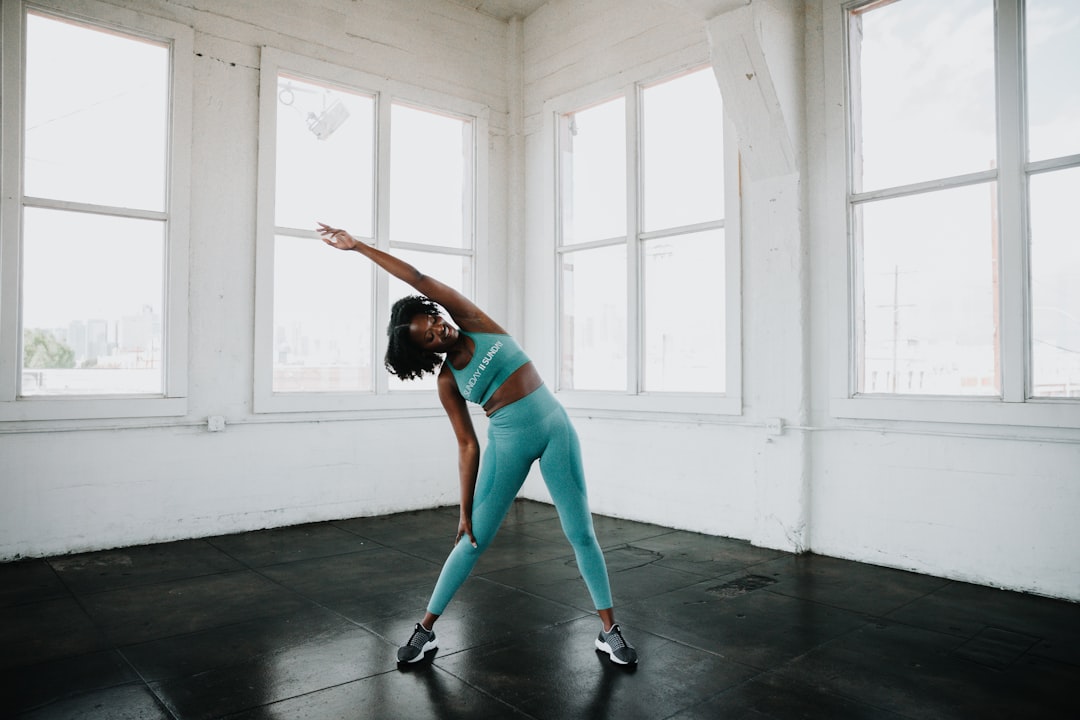
How Long Until You See Results?
Consistency over four to six weeks produces noticeable strength gains and improved endurance in most beginners. Body composition changes typically become visible around the eight to twelve-week mark, depending on nutrition. The most important metric in week one isn’t your weight or your waist — it’s whether you showed up and completed your sessions.
The best home workout routine for beginners with no equipment is the one you actually do, not the most complicated one you find online and abandon after three days.
Start Today, Not Monday
Every fitness journey begins with a single decision followed by consistent action. The framework laid out here is everything a beginner needs to build a strong, capable body without spending a dollar or leaving the house. Three days per week, five movement patterns, smart recovery, and a commitment to gradual progression — that’s the entire formula.
This home workout routine for beginners with no equipment has helped countless people go from complete sedentary to genuinely fit. The only variable left is you.
Give this routine a full four weeks and share your experience in the comments. What was the hardest exercise? What surprised you? Your story might be exactly what another beginner needs to read to take their first step.